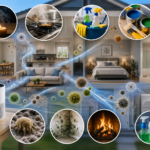
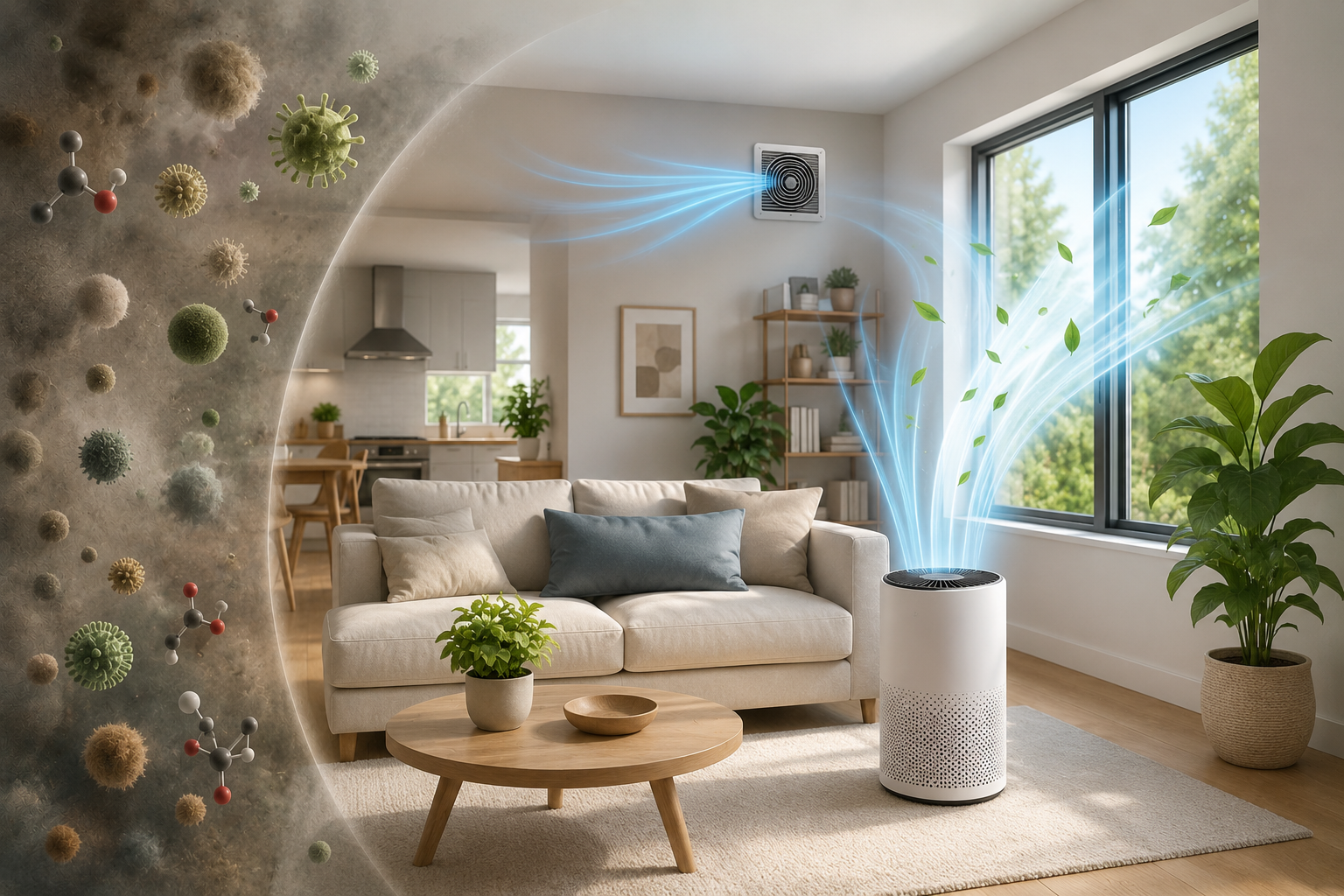
Most homeowners assume the air inside their home is automatically cleaner than the air outside, but the opposite is often true, indoor air typically carries two to five times the pollutant concentration of outdoor air, and that gap can spike dramatically higher during everyday activities like cooking or cleaning. Since Americans spend roughly 90 percent of their time indoors, understanding how to improve indoor air quality isn’t a minor lifestyle upgrade, it’s one of the more consequential, if underappreciated, things you can actually do for your household’s health.
This guide walks through the EPA’s genuinely proven three-pillar approach to indoor air quality, source control, ventilation, and filtration, plus honest, accurate guidance on radon testing, humidity control, and which air purifier technologies actually work versus which ones are marketing hype.
What Is Meant by Indoor Air Quality
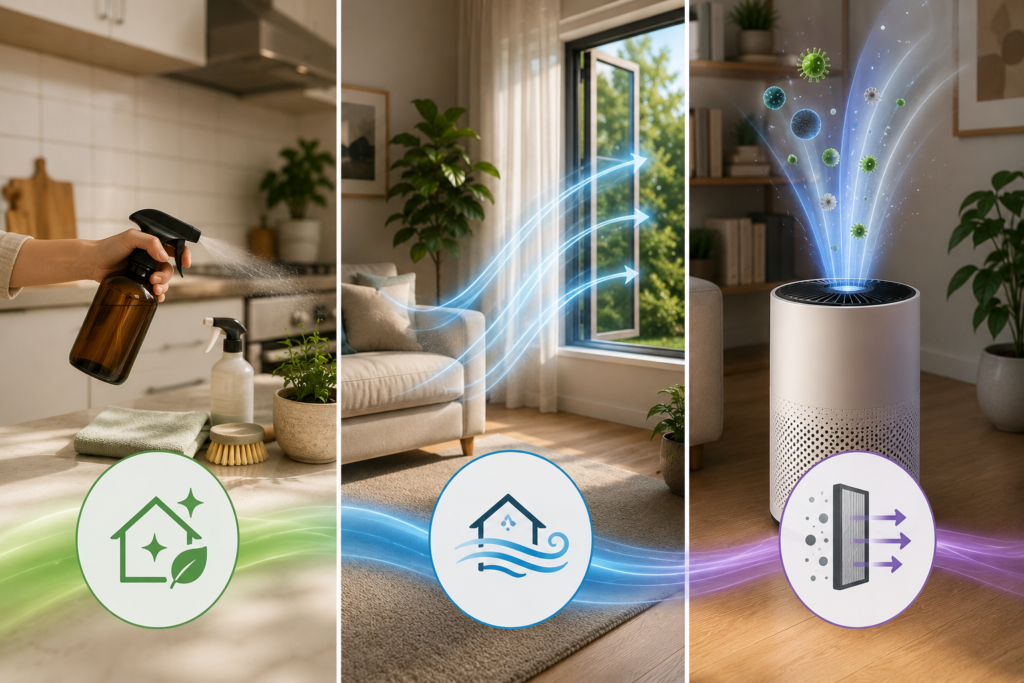
The most effective approach to indoor air quality follows the same order the EPA itself recommends: control pollution sources first, since it’s always easier to reduce what’s entering the air than to filter it out afterward. Then improve ventilation, bringing in fresh outdoor air to dilute whatever pollutants remain. Only then does filtration, HEPA air purifiers and upgraded HVAC filters, play its role as a genuine supplement. Beyond this framework, test your home for radon specifically, since it’s one of the most serious and most commonly overlooked indoor air hazards, and keep indoor humidity between 30 and 50 percent to prevent mold growth without drying out the air excessively.
Understanding the Three-Pillar Approach
Why Source Control Comes First
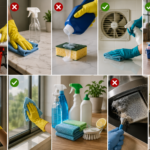
The single most effective way to improve indoor air quality is addressing pollution at its source, before it ever enters your home’s air in the first place. This might mean switching to low-VOC paints and cleaning products, properly venting combustion appliances, or fixing a moisture problem before it becomes a mold issue, addressing the cause rather than only managing the symptom.
Why Ventilation Comes Second
Even with strong source control, some pollutants remain, and ventilation dilutes indoor air by exchanging it with fresh outdoor air. This can be as simple as opening windows when weather allows, or as structured as a mechanical ventilation system designed to meet a specific air-changes-per-hour target for your home’s size.
Why Filtration Is a Supplement, Not a Substitute
Filtration, whether through your HVAC system’s filter or a standalone air purifier, captures particles already in the air, but it works best as a supplement to the first two pillars, not a replacement for them. A powerful air purifier running in a poorly ventilated home with an unaddressed moisture problem will always be fighting an uphill battle against sources it can’t actually eliminate.
The Major Indoor Air Pollutants Worth Knowing
Particulate Matter and Allergens
Dust, pet dander, and pollen tracked indoors are among the most common triggers for respiratory issues, and indoor allergens specifically are identified as a primary trigger for a majority of asthma sufferers.
Volatile Organic Compounds (VOCs)
VOCs off-gas from paint, cleaning products, new furniture, and certain building materials, contributing to that “new” smell in freshly renovated spaces while also potentially causing respiratory irritation at higher concentrations.
Carbon Monoxide (CO)
A genuinely dangerous, odorless gas produced by combustion appliances, furnaces, water heaters, gas stoves, when improperly vented or malfunctioning, CO detectors are a non-negotiable safety essential in any home with gas or fuel-burning appliances.
Mold and Moisture-Related Contaminants
Mold thrives in consistently humid or damp conditions, releasing spores that can trigger respiratory symptoms and allergic reactions, making moisture control a genuinely central part of any indoor air quality strategy.
Radon
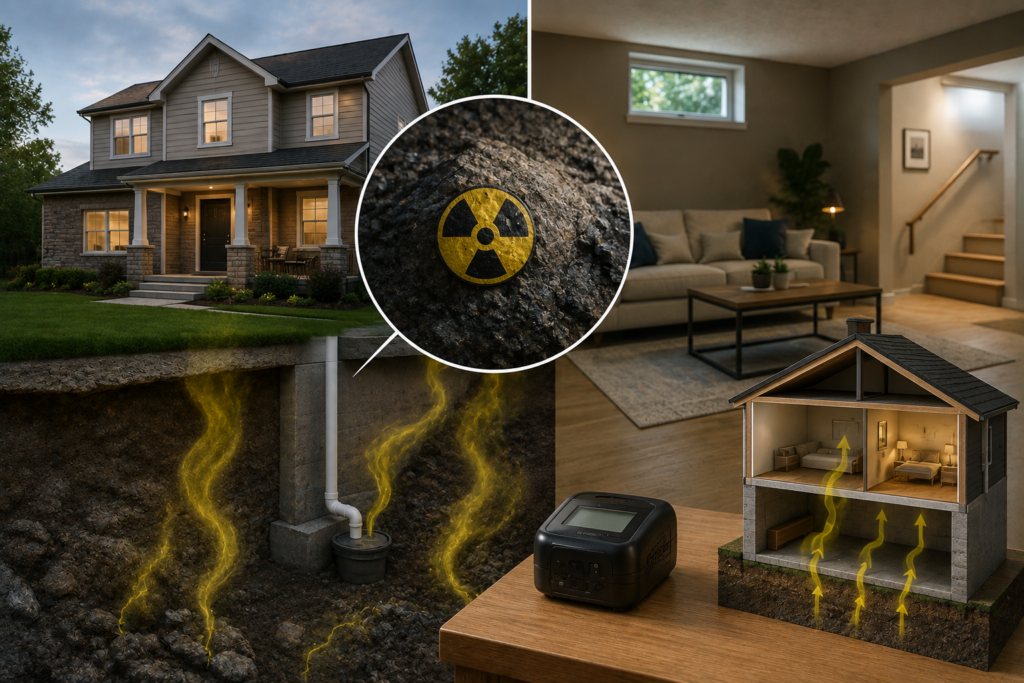
A naturally occurring radioactive gas that seeps up from the ground into homes through foundation cracks and gaps, radon is a serious, genuinely underappreciated indoor air hazard, addressed in detail below given how commonly it’s overlooked.
Common Indoor Pollutants at a Glance
| Pollutant | Primary Source | Health Concern |
| Particulate matter/allergens | Dust, pet dander, pollen | Asthma and allergy symptoms |
| VOCs | Paint, cleaning products, new furniture | Respiratory irritation |
| Carbon monoxide | Combustion appliances (furnaces, gas stoves) | Poisoning, potentially fatal |
| Mold | Excess humidity, water damage | Respiratory and allergic reactions |
| Radon | Soil gas entering through foundation | Lung cancer with prolonged exposure |
Radon: The Indoor Air Hazard Most Homeowners Overlook
Why Radon Deserves Special Attention
Radon is a genuinely serious indoor air concern precisely because it’s invisible, odorless, and can only be identified through actual testing, not by how your home looks, smells, or feels. Prolonged exposure to elevated radon levels increases the risk of lung cancer, which is why radon testing deserves a place near the top of any homeowner’s indoor air quality checklist, regardless of how your home otherwise seems.
What Level Actually Requires Action
The EPA recommends taking action to fix a home when radon levels reach 4 picocuries per liter (pCi/L) or higher, a specific, testable threshold rather than a vague concern.
A Critical Clarification: Air Purifiers Don’t Fix Radon
This is a genuinely important point that’s easy to get wrong: a standard residential air purifier, even a high-quality HEPA model, should never be relied upon as a radon solution. Radon is an inert gas, and HEPA filtration is designed to capture particles, not gas molecules, so while a HEPA filter might capture some radon decay particles that have attached to dust in the air, it does not remove the radon gas itself.
What Actually Fixes a Radon Problem
If your home tests at or above the EPA’s action level, proper radon mitigation involves a dedicated system, typically a barrier beneath the foundation paired with a vent pipe and fan that captures radon before it enters the living space and vents it safely outside. This is a job for a qualified radon mitigation professional, not a DIY project or something an air purifier can substitute for.
Testing Is Simple and Worth Doing Regardless of Home Age
Radon testing is inexpensive and straightforward, available as DIY test kits or through a professional radon testing service, and it’s worth doing in any home, new or old, since radon levels depend on local geology and specific foundation conditions rather than a home’s age alone.
Humidity: The Balance Point Between Comfort and Mold
The Ideal Range
A healthy home should ideally maintain humidity between 30 and 50 percent, high enough to avoid the dry air that can irritate respiratory passages and skin, but low enough to meaningfully discourage mold growth.
Where Excess Humidity Tends to Build Up
Bathrooms are a particularly common trouble spot, since high humidity from showering, combined with inadequate exhaust ventilation, leaves moisture sitting on surfaces for extended periods, ideal conditions for mold. Basements face a similar challenge given their below-grade moisture exposure, often compounded by the presence of HVAC equipment, water heaters, and furnaces, all potential carbon monoxide sources as well.
Practical Humidity Control Steps
- Run a properly sized bathroom exhaust fan (generally a minimum of 50 CFM for smaller bathrooms) for at least 20 minutes after showering
- Consider a humidity-sensing exhaust fan that activates automatically rather than relying on manual switching
- Use a dehumidifier in basements or other consistently damp areas, aiming to keep humidity below 50 percent
- Address any water leaks or moisture intrusion promptly, before mold has a chance to establish
Ventilation: Bringing in the Fresh Air Your Home Actually Needs
Natural vs Mechanical Ventilation
Natural ventilation, simply opening windows, is genuinely helpful when weather allows, but it’s inherently unpredictable and can introduce outdoor pollutants or pollen depending on conditions, and it’s often impractical in cold-weather climates for much of the year. Mechanical ventilation systems offer more consistent, controllable airflow, filtering incoming air while maintaining a steady, predictable exchange rate.
Why Tightly Sealed Modern Homes Need Extra Attention
Newer, more energy-efficient homes are often built considerably tighter than older construction, which helps with heating and cooling efficiency but can also trap indoor pollutants at higher concentrations without adequate mechanical ventilation specifically designed to compensate for that reduced natural air exchange.
Filtration: HEPA, MERV, and What Actually Works
Understanding MERV Ratings for HVAC Filters
MERV (Minimum Efficiency Reporting Value) ratings measure how effectively an HVAC filter captures particles, with higher numbers generally indicating finer filtration. That said, jumping to the highest available MERV rating isn’t automatically better for every system, an overly restrictive filter in a standard residential HVAC slot can meaningfully reduce airflow and strain your system, potentially causing efficiency loss or even equipment issues if your system wasn’t designed for that level of restriction.
HEPA Filtration for Standalone Air Purifiers
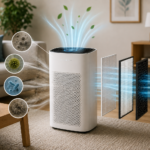
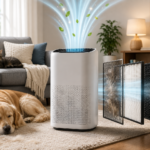
True HEPA filtration captures over 99 percent of airborne particles, including those as small as 0.3 microns, dust, pollen, and pet dander among them, making a quality HEPA air purifier a genuinely effective supplement, particularly in bedrooms or rooms where allergy symptoms are most noticeable.
A Genuine Warning About Ozone Generators
Some products marketed as “air purifiers” are actually ozone generators, and this distinction matters considerably: the EPA explicitly warns that ozone itself is a respiratory hazard, not a safe air-cleaning solution, despite marketing claims suggesting otherwise. Health authorities including the CDC, WHO, and EPA all recommend against ozone-generating air cleaners in occupied indoor spaces.
Do Houseplants Actually Clean Indoor Air?
Setting Realistic Expectations
Houseplants are genuinely wonderful for a home’s atmosphere and can meaningfully support psychological well-being, but at the density realistically achievable in a typical home, they don’t provide a meaningful air-cleaning effect comparable to actual ventilation or filtration. If air quality is a genuine concern, prioritize source control, ventilation, and filtration first, and enjoy houseplants for the other real benefits they offer rather than as a primary air-cleaning strategy.
Room-by-Room Indoor Air Quality Priorities
| Room | Primary Concern | Priority Action |
| Bedroom | Allergens, dust | HEPA air purifier, allergen-proof mattress and pillow covers |
| Bathroom | Humidity, mold | Properly sized exhaust fan run after every shower |
| Basement | Radon, humidity, CO sources | Radon testing, dehumidifier, CO detector |
| Kitchen | VOCs, combustion byproducts | Range hood ventilation during cooking |
| Whole home | General ventilation, CO safety | Adequate mechanical ventilation, CO detectors near sleeping areas |
Monitoring: Testing Regularly, Not Just Once
Ongoing Monitoring Options
Continuous smart air quality monitors can provide real-time data on particulates, VOCs, humidity, and other factors, useful for identifying patterns, like VOC spikes during cleaning or cooking, that a one-time test wouldn’t catch.
Professional Testing Still Has a Place
Even with a home monitor in place, scheduling a professional indoor air quality assessment every two to three years provides a more comprehensive, expert-level check, particularly valuable for identifying issues like radon or mold that require specific testing methods beyond what a general consumer monitor covers.
Practical Buying Tips
- Prioritize a genuine radon test before investing heavily in air purifiers, since radon is a serious hazard filtration alone cannot address
- Choose HEPA filtration specifically for standalone air purifiers, and avoid any product marketed as an “ozone generator” or relying on ozone as its cleaning mechanism
- Check your HVAC system’s maximum recommended MERV rating before upgrading filters, since an overly restrictive filter can strain a system not designed for it
- Install a properly sized bathroom exhaust fan if your current one struggles to clear humidity within a reasonable time after showering
- Place CO detectors near sleeping areas and on every level of your home, particularly if you have gas or fuel-burning appliances
Common Mistakes to Avoid
- Relying on an air purifier alone to solve a radon problem, when radon gas requires dedicated mitigation, not filtration
- Assuming houseplants provide meaningful air purification, when realistic indoor plant density doesn’t match actual ventilation or filtration effectiveness
- Buying an ozone-generating device marketed as an air purifier, introducing a genuine respiratory hazard rather than solving one
- Jumping to the highest available MERV filter rating without checking system compatibility, risking reduced airflow and potential HVAC strain
- Skipping radon testing simply because a home seems newer or well-maintained, when radon levels depend on local geology and foundation conditions, not visible home condition
Conclusion
Building a genuinely healthier home starts with understanding that indoor air quality improvement works best in a specific order, controlling pollution sources first, improving ventilation second, and using filtration as a supplement rather than a standalone fix. Test your home for radon regardless of its age or condition, keep humidity in that 30 to 50 percent sweet spot, and choose HEPA filtration over ozone-generating gimmicks if you add a standalone air purifier to the mix. Get these fundamentals right, and you’ll be addressing the air quality factors that genuinely affect your household’s health, not just the ones that are easiest to market.
Frequently Asked Questions
1- How do I know if I need to test my home for radon?
Every home should be tested for radon regardless of age or apparent condition, since radon levels depend on local geology and foundation-specific factors, not visible signs, DIY test kits are inexpensive and widely available, or you can hire a professional radon testing service.
2- Can an air purifier remove radon from my home?
No, a standard residential air purifier, even with HEPA filtration, cannot remove radon gas itself, since radon is an inert gas that particle filters aren’t designed to capture. Elevated radon levels require a dedicated mitigation system installed by a qualified professional.
3- What humidity level is best for indoor air quality?
Between 30 and 50 percent is generally recommended, high enough to avoid overly dry air but low enough to meaningfully discourage mold growth.
4- Are ozone generators safe air purifiers?
No, despite some marketing claims, the EPA and other major health authorities warn that ozone itself is a respiratory hazard, and ozone-generating devices are not recommended for use in occupied indoor spaces.
5- Do houseplants really improve indoor air quality?
Not meaningfully at realistic household plant density, houseplants offer genuine psychological and aesthetic benefits, but they don’t provide the air-cleaning effect actual ventilation and filtration deliver.
6- What’s the difference between MERV and HEPA filtration?
MERV ratings apply to HVAC system filters and measure particle capture efficiency on a numbered scale, while HEPA refers to a specific, very high-efficiency filtration standard typically found in standalone air purifiers, capturing over 99 percent of particles as small as 0.3 microns.
7- How often should I have my home’s air quality professionally tested?
Every two to three years is a reasonable general guideline for a comprehensive professional assessment, in addition to any ongoing monitoring you do yourself with a consumer air quality monitor.