Most homeowners assume air pollution is an outdoor problem smog, traffic, industrial emissions. In reality, the air inside your home can carry its own mix of pollutants, and according to the EPA, indoor concentrations of certain pollutants are often higher than what’s found outside, partly because modern, energy-efficient homes are sealed tightly enough to trap pollutants indoors without enough ventilation to clear them out.
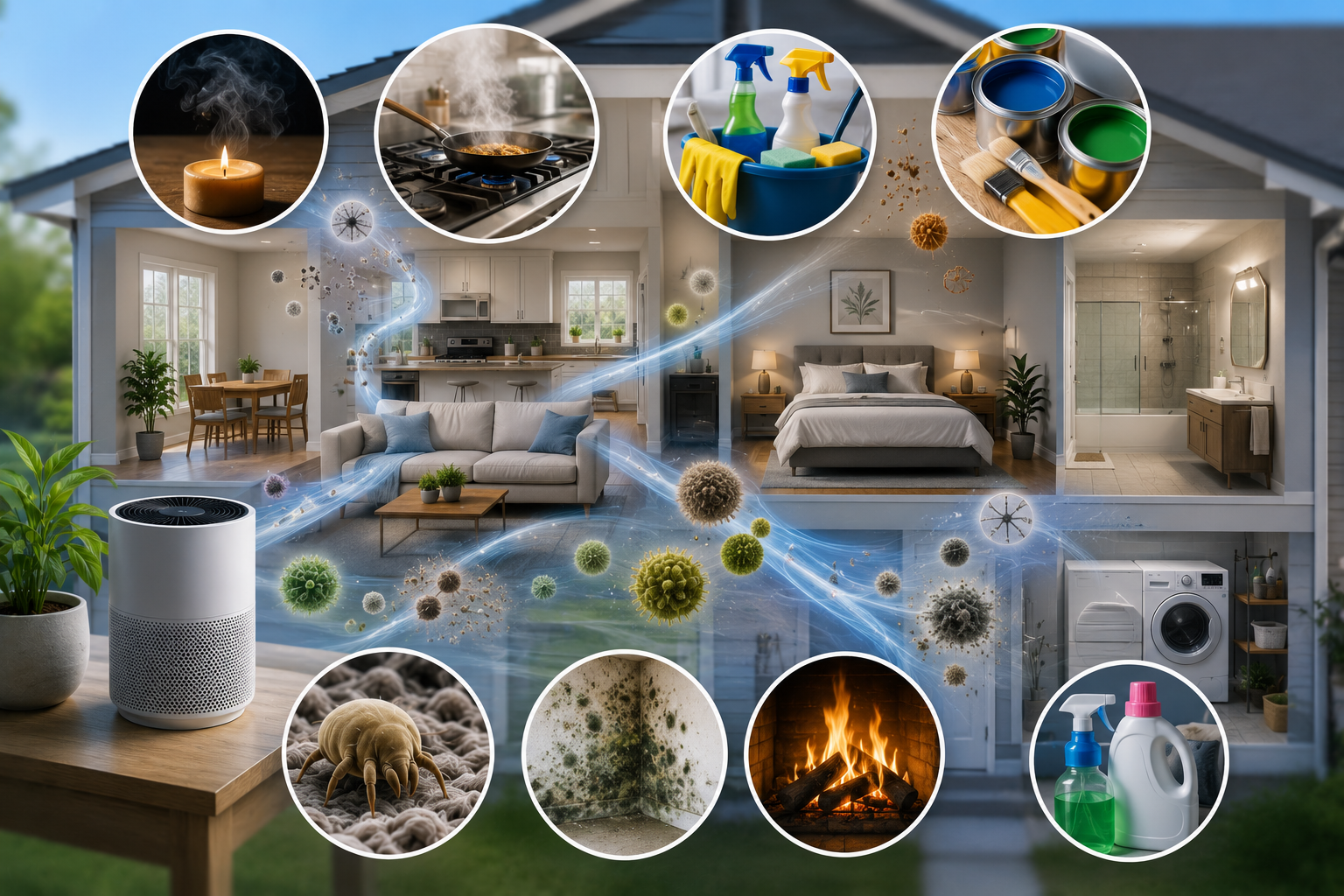
The most common indoor air pollutants fall into five categories particulate matter (dust, pet dander, cooking particles), volatile organic compounds or VOCs (from paint, cleaning products, and new furniture), combustion byproducts like carbon monoxide (from gas appliances and fireplaces), radon (a naturally occurring gas from soil), and biological contaminants like mold and dust mites. Each has specific sources and specific, practical ways to reduce it mostly involving source control, ventilation, humidity management, and regular cleaning.
This guide breaks down each major pollutant category, where it typically comes from, and exactly what you can do to reduce it in your own home.
Why Indoor Air Pollution Deserves Real Attention
Since most people spend the majority of their time indoors, the air quality inside your home has a bigger day-to-day impact on health and comfort than most people realize. Some indoor pollutants dust, pet dander, mold spores trigger allergy and asthma symptoms. Others, like radon and carbon monoxide, carry more serious long-term or even acute health risks and can’t be detected through smell or sight alone.
The good news: most of these pollutants have well-understood sources, which means they also have clear, practical ways to reduce them.
Particulate Matter: Dust, Dander, and Everyday Debris
Particulate matter (PM) refers to the mixture of tiny particles and droplets suspended in your home’s air some visible as dust, many far too small to see.
Common Sources
- Biological particles: pollen, mold spores, pet dander, dust mites, human skin flakes and hair
- Combustion activities: cooking, candles, fireplaces
- Consumer and personal care products, including some that react with other airborne compounds to form additional particulate matter
- Cleaning products and air fresheners, particularly scented varieties that can chemically react with ozone in the air to form additional pollutants like formaldehyde
How to Reduce It
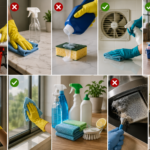
- Vacuum carpets and upholstered furniture weekly, or more often in households with pets
- Use a vacuum with a HEPA filter, which helps prevent vacuumed dust from escaping back into the air
- Dust with a damp cloth rather than a dry one — dampening helps trap settled dust instead of redistributing it into the air
- Leave the area while vacuuming if you have asthma or allergies, since the process temporarily stirs up settled particles
- Ventilate whenever using scented cleaning products or air fresheners, since these can contribute to particulate formation indoors
Volatile Organic Compounds (VOCs)
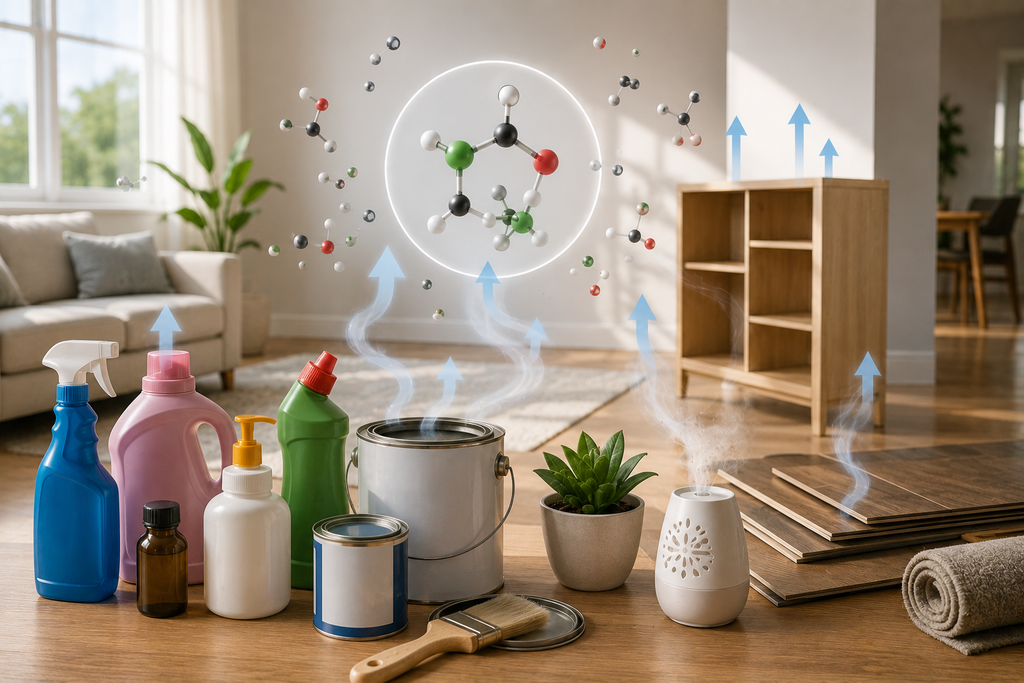
VOCs are chemical gases released from a wide range of everyday products, and they’re one of the more overlooked sources of indoor air pollution because they’re often invisible and only mildly noticeable, if at all.
Common Sources
- Paints, varnishes, and finishes
- Cleaning supplies and pesticides
- Adhesives, new flooring, and new furniture
- Personal care products
- Office equipment like printers and copiers
Health Considerations
Exposure to VOCs can cause acute symptoms like headaches and dizziness, and some specific compounds including formaldehyde, benzene, and toluene are associated with more serious long-term health effects with sustained exposure.
How to Reduce It
- Choose low-VOC or VOC-free products when purchasing paint, adhesives, and cleaning supplies
- Ventilate thoroughly during and after using any VOC-emitting product, opening windows or running exhaust fans
- Allow new furniture or flooring to off-gas in a well-ventilated space before bringing it into a regularly occupied room, since new pressed-wood products and furnishings can release VOCs — sometimes for months after purchase
- Store paints, solvents, and pesticides in a garage or shed rather than inside living spaces, since even sealed containers can slowly off-gas over time
- Reduce the use of air fresheners and heavily fragranced products, which are a common and often underestimated VOC source
Combustion Byproducts (Including Carbon Monoxide)
Anything that burns fuel indoors intentionally or as part of an appliance’s normal function produces combustion byproducts, some of which can be genuinely dangerous.
Common Sources
- Gas, oil, wood, or propane stoves and water heaters
- Fireplaces and wood-burning appliances
- Candles and indoor smoking
- Vehicles running in an attached garage
Why This Category Deserves Extra Caution
Combustion produces particulate matter and odors, but it can also release carbon monoxide (CO) — a colorless, odorless gas that can range from causing headaches and dizziness to becoming lethal at high concentrations, particularly from improperly vented or malfunctioning appliances.
How to Reduce It
- Have fuel-burning appliances inspected and maintained regularly, ensuring they’re venting properly
- Never run a vehicle in an attached garage, even briefly, with the garage door closed
- Use exhaust fans when cooking, particularly with gas stoves, and ensure they vent outside rather than simply recirculating air
- Install carbon monoxide detectors on every level of your home, especially near sleeping areas
- Limit indoor use of candles and, if applicable, indoor smoking, both of which introduce fine particles and combustion byproducts
If a CO detector ever alarms, leave the home immediately, get everyone to fresh air, and contact emergency services rather than attempting to investigate the source yourself first.
Radon
Radon is a naturally occurring, colorless, and odorless radioactive gas produced by the decay of uranium in soil and rock. It seeps into homes through cracks in foundations and floors, making basements and lower levels particularly susceptible.
Why It’s a Serious Concern
Radon is classified as the second leading cause of lung cancer in the United States, behind smoking, and it’s the leading cause of lung cancer specifically among non-smokers. Because it can’t be detected by smell or sight, testing is the only way to know your home’s actual radon level.
How to Reduce It
- Test your home, particularly the basement and lowest lived-in level, using a short-term or long-term radon test kit
- Take mitigation action if levels reach 4.0 picocuries per liter (pCi/L) or higher, generally involving a professional radon mitigation system that vents the gas safely outside
- Seal visible cracks in the foundation, which can help reduce (though not eliminate) radon entry in some cases
- Retest periodically, since radon levels can shift over time due to changes in soil conditions, foundation settling, or renovations
Biological Contaminants: Mold, Mildew, and Dust Mites
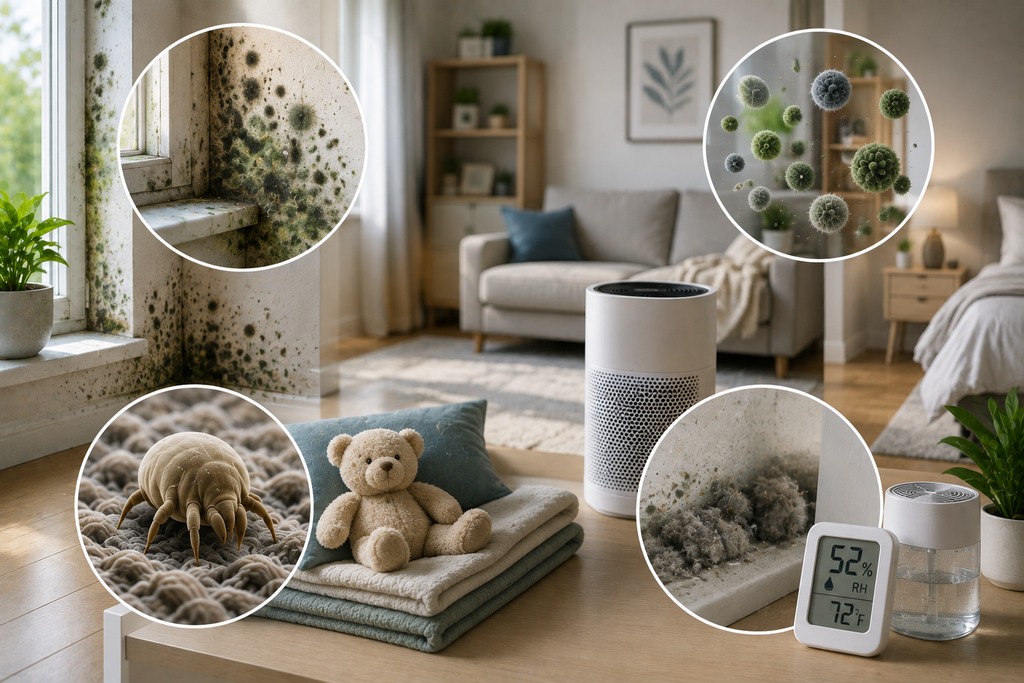
Biological pollutants originate from living organisms — mold, mildew, dust mites, bacteria, and pest allergens — and tend to thrive in specific conditions, primarily excess moisture and warmth.
Common Sources
- Mold and mildew: bathrooms, kitchens, basements, and anywhere with excess moisture or past water damage
- Dust mites: mattresses, upholstered furniture, carpets, and bedding, thriving in warm, humid environments
- Bacteria and other microorganisms: can originate from people, pets, moisture, or contaminated surfaces
- Poorly maintained HVAC systems: can harbor and circulate mold and bacteria throughout the home
- Over-watered houseplants: can promote microbial growth in soil, contributing to indoor biological contaminants
How to Reduce It
- Maintain indoor humidity between 30 and 50%, using a dehumidifier in consistently damp areas if needed
- Address moisture sources promptly — fix leaks, improve bathroom and kitchen ventilation, and dry out any water damage quickly
- Wash bedding regularly in hot water to reduce dust mite populations
- Vacuum upholstered furniture and carpets consistently, since dust mite waste particles can become airborne
- Maintain your HVAC system, including regular filter changes, to prevent it from circulating mold or bacteria throughout your home
- Avoid overwatering houseplants, and consider well-draining soil to reduce microbial growth potential
Pollutant Categories at a Glance
| Pollutant Category | Common Sources | Primary Reduction Strategy |
| Particulate matter | Dust, dander, cooking, candles | Vacuum with HEPA, dust with damp cloth, ventilate |
| VOCs | Paint, cleaning products, new furniture | Choose low-VOC products, ventilate during/after use |
| Combustion byproducts | Gas appliances, fireplaces, vehicles | Maintain appliances, use exhaust fans, install CO detectors |
| Radon | Soil gas seeping through foundation | Test regularly, mitigate if 4.0+ pCi/L |
| Biological contaminants | Mold, dust mites, bacteria | Control humidity (30–50%), address moisture, clean regularly |
General Strategies That Help Across Every Pollutant Category
While each pollutant has specific sources, a few broad strategies help reduce indoor air pollution across the board.
1. Improve Ventilation
Increasing the exchange of indoor and outdoor air is one of the most effective general strategies for reducing pollutant concentration. This includes:
- Opening windows when outdoor air quality is good
- Using exhaust fans in kitchens and bathrooms, confirming they vent outdoors rather than just recirculating air
- Considering mechanical ventilation solutions if your home is tightly sealed for energy efficiency without sufficient natural air exchange
2. Practice Source Control
Rather than only trying to filter pollutants out of the air after the fact, identifying and reducing the source directly is often more effective choosing low-VOC products, fixing moisture problems at their root, and maintaining combustion appliances properly.
3. Manage Humidity
Since excess humidity fuels mold, mildew, and dust mite growth, keeping indoor humidity in the 30 to 50% range addresses multiple pollutant categories simultaneously.
4. Clean and Vacuum Consistently
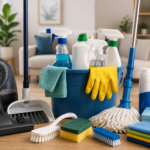
Regular cleaning — vacuuming with a HEPA-filtered vacuum, dusting with a damp cloth, and washing bedding frequently physically removes particulate matter and biological contaminants that would otherwise continue circulating in your air.
5. Maintain Your HVAC System
A well-maintained system, with regularly replaced filters, plays a role in reducing several pollutant categories at once, since it both filters circulating air and prevents the system itself from becoming a source of mold or dust distribution.
When to Consider Additional Solutions
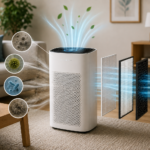
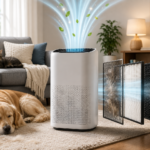
- An air purifier with a True HEPA filter can help reduce airborne particulate matter, pet dander, and some biological contaminants, especially in bedrooms or high-traffic living areas.
- A dehumidifier is worth considering for consistently damp basements or other areas prone to excess moisture.
- Professional radon mitigation is generally necessary if testing confirms elevated levels, since this typically requires a specialized venting system rather than a DIY fix.
- Professional mold remediation is recommended for extensive mold growth, particularly for certain higher-risk mold types, rather than attempting large-scale removal yourself.
Practical Buying and Maintenance Advice
- Prioritize source control before relying on filtration. Choosing low-VOC products and fixing moisture issues addresses the problem more directly than trying to filter pollutants after they’re already in the air.
- Install and maintain CO detectors on every level of your home, particularly if you have gas appliances or an attached garage.
- Test for radon periodically, regardless of whether anything seems obviously wrong, since it’s undetectable without testing.
- Choose a HEPA-filtered vacuum if you don’t already have one, since it prevents fine particles from re-entering the air during cleaning.
- Keep indoor humidity in check with a simple hygrometer and a dehumidifier if your home tends to run damp.
Most Indoor Air Pollutants Have a Clear Fix
Indoor air pollution can sound overwhelming once you see the full list of possible pollutants, but the encouraging part is that each category has well-understood sources and practical, manageable solutions. Ventilation, source control, humidity management, and consistent cleaning address the majority of common pollutants without requiring major renovations or expensive equipment.
Start with the basics improve ventilation, choose lower-VOC products, manage humidity, and install both smoke and carbon monoxide detectors if you haven’t already. From there, test for radon if you haven’t, and consider targeted solutions like a HEPA air purifier or dehumidifier for any specific issues that persist. A little consistent attention to these categories adds up to genuinely healthier, more comfortable air throughout your home.
FAQ
1- What’s the most dangerous indoor air pollutant to watch for?
Radon and carbon monoxide are generally considered the most serious, since both are colorless and odorless, and both carry significant health risks radon as a leading cause of lung creader, and carbon monoxide as a potentially lethal gas at high concentrations.
2- Can houseplants really contribute to indoor air pollution?
Overwatered houseplants can promote microbial growth in the soil, contributing modestly to biological contaminants, though this is generally a smaller factor compared to sources like excess humidity, moisture damage, or poorly maintained HVAC systems.
3- Do scented candles and air fresheners actually pollute indoor air?
Yes, to some degree. Scented products, especially those with pine or citrus fragrances, can chemically react with ozone in the air to form particulate matter and even formaldehyde, making them a more meaningful pollutant source than many people assume.
4- How do I know if my home has elevated VOC levels?
A persistent chemical odor, especially after painting, new flooring, or new furniture, can be a sign of VOC off-gassing. If the smell doesn’t fade with normal ventilation over a reasonable period, VOC testing can confirm actual levels.
5- Is dust mite exposure really an air quality issue, or just a cleaning issue?
Both, in a sense dust mites themselves live in fabric and bedding, but their waste particles become airborne and contribute to indoor air quality concerns, which is why both regular cleaning and humidity control are recommended together.
6- How often should I test for radon?
There’s no universal schedule, but testing periodically and especially after any foundation work, renovation, or if you’ve never tested before is a reasonable approach, since radon levels can shift due to changes in soil conditions or your home’s structure.