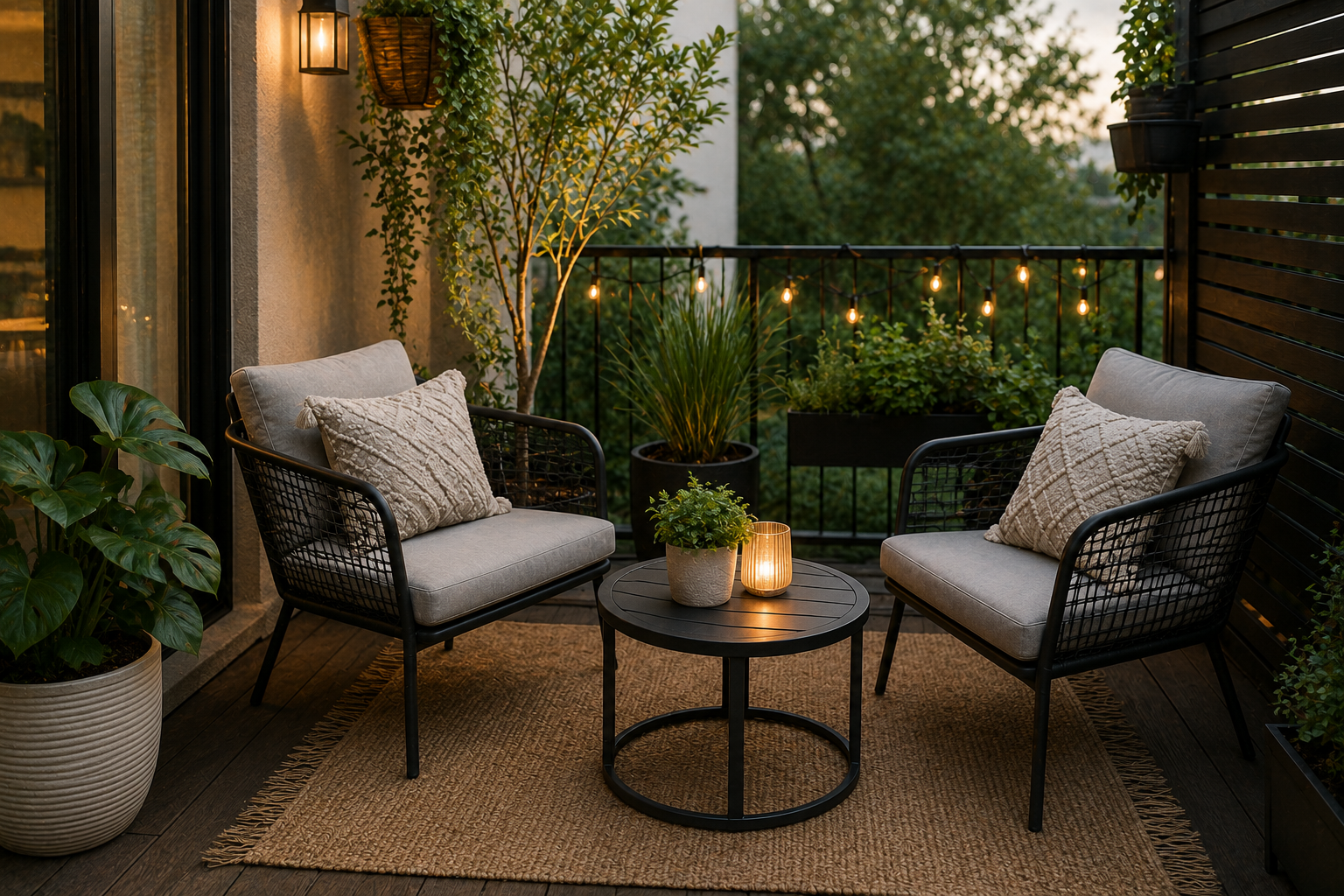
A small patio doesn’t have to limit your outdoor living experience. With the right furniture, thoughtful planning, and smart design choices, even the smallest patio can become a comfortable place to relax, entertain guests, or enjoy your morning coffee.
The biggest mistake homeowners make is treating a small patio like a large backyard. Oversized furniture, poor layouts, and unnecessary accessories quickly make the space feel cramped and uncomfortable. Instead, every piece should serve a purpose while helping the patio remain open, functional, and inviting.
This guide explains how to choose outdoor furniture for a small patio, what materials work best, how to maximize every square foot, and which features are worth considering before you buy. By the end, you’ll be able to create an outdoor space that looks bigger, feels more comfortable, and fits your lifestyle.
Why Choosing the Right Outdoor Furniture Matters
Outdoor furniture isn’t only about appearance. The right furniture affects how often you use your patio and how comfortable it feels throughout the year.
A well-designed patio can become an extension of your home, providing additional space for dining, relaxing, reading, or spending time with family.
Choosing furniture that’s designed for smaller spaces offers several benefits:
- Makes the patio feel larger
- Improves comfort and functionality
- Keeps walkways clear
- Reduces clutter
- Makes outdoor entertaining easier
- Creates a balanced and inviting design
Instead of filling every corner with furniture, focus on creating a layout that feels open and practical.
Start by Measuring Your Patio
Before looking at outdoor furniture, take accurate measurements of your patio.
Measure:
- Length
- Width
- Door clearance
- Walkways
- Existing planters
- Railings
- Stairs
Don’t forget to leave enough space for people to move comfortably around the furniture.
As a general guideline, aim to leave at least 24 to 36 inches of walking space whenever possible.
Sketching a simple floor plan can help you visualize different layouts before making a purchase.
Decide How You’ll Use the Space
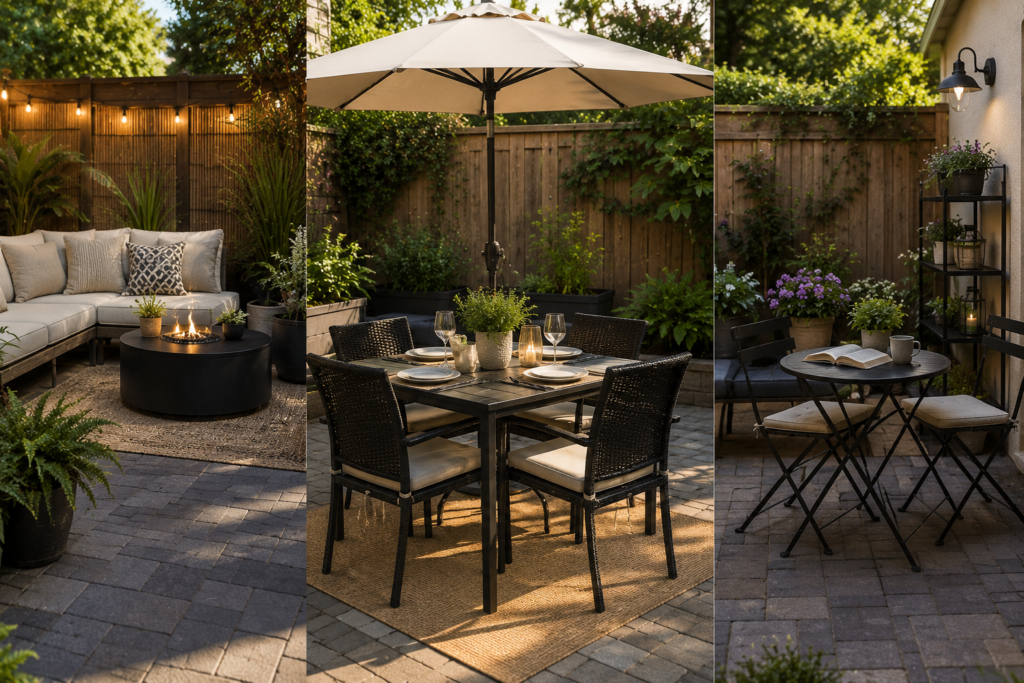
Not every homeowner uses a patio the same way.
Ask yourself:
- Will you mainly relax?
- Do you enjoy outdoor dining?
- Do you entertain guests?
- Do you need a quiet reading corner?
- Will children use the space?
- Do you want space for gardening?
Knowing your primary purpose helps eliminate furniture you don’t actually need.
For example, if you rarely host guests, a compact bistro set may be a better choice than a large sectional.
Choose Furniture That Matches Your Lifestyle
Once you’ve identified how you’ll use the patio, choose furniture that supports those activities instead of trying to fit every possible feature into a small space.
Some homeowners need only two comfortable chairs and a side table, while others may prefer a dining set that doubles as a workspace during warmer months.
Think about daily use rather than occasional events.
Best Types of Outdoor Furniture for Small Patios
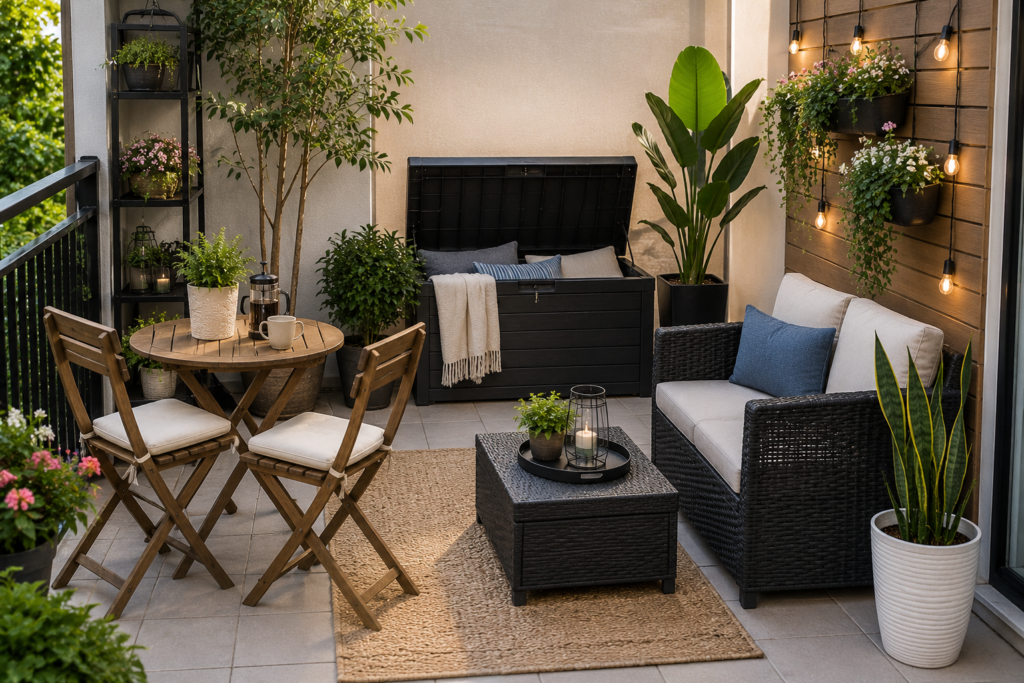
Smaller patios benefit from furniture designed specifically for compact spaces.
Here are some of the most practical options.
Bistro Sets
A bistro set typically includes:
- Two chairs
- One small table
These sets are ideal for:
- Morning coffee
- Small balconies
- Apartment patios
- Couples
Because of their compact footprint, they leave plenty of room for movement.
Folding Furniture
Folding chairs and tables provide flexibility.
Advantages include:
- Easy storage
- Lightweight
- Space-saving
- Ideal for occasional guests
When not in use, they can be folded and stored against a wall or inside a storage shed.
Stackable Chairs
Stackable chairs are another excellent option.
Instead of occupying valuable floor space year-round, extra seating can be stacked neatly until needed.
Storage Benches
A storage bench performs two important functions.
It provides:
- Comfortable seating
- Hidden storage
Store items such as:
- Outdoor cushions
- Gardening tools
- Blankets
- Children’s toys
Multi-functional furniture is one of the smartest investments for a small patio.
Compact Loveseats
If you enjoy relaxing outdoors, a loveseat may provide enough seating without overwhelming the space.
Choose slimmer designs with raised legs to create a lighter appearance.
Choose Weather-Resistant Materials
Outdoor furniture is constantly exposed to sunlight, rain, humidity, and changing temperatures.
Choosing durable materials helps your investment last longer.
Aluminum
Aluminum remains one of the most popular choices for outdoor furniture.
Advantages include:
- Lightweight
- Rust resistant
- Easy to move
- Low maintenance
It’s especially suitable for homeowners who frequently rearrange furniture.
Resin Wicker
Resin wicker provides the traditional look of natural wicker without the maintenance.
Benefits include:
- Weather resistant
- Easy to clean
- Comfortable
- Stylish
Look for UV-resistant resin to reduce fading.
Teak
Teak is known for its exceptional durability.
Advantages:
- Natural weather resistance
- Long lifespan
- Beautiful appearance
Teak develops a silver-gray patina over time unless regularly treated with teak oil.
Steel
Steel furniture offers strength and stability.
However, powder-coated finishes are recommended to reduce the risk of rust.
Pick the Right Patio Table
The table often becomes the center of an outdoor seating area.
For small patios, choose compact shapes such as:
- Round tables
- Square tables
- Drop-leaf tables
- Folding tables
Round tables improve movement because they eliminate sharp corners.
If space is extremely limited, consider wall-mounted folding tables that can be folded flat when not in use.
Think Vertically Instead of Horizontally
Many homeowners try to add storage by placing more furniture on the floor.
Instead, use vertical space.
Ideas include:
- Wall-mounted planters
- Hanging baskets
- Vertical gardens
- Floating shelves
- Outdoor hooks
These additions free up valuable floor space while adding personality to the patio.
Choose Light Colors
Furniture color also influences how spacious a patio feels.
Light shades such as:
- White
- Beige
- Light gray
- Soft blue
- Sand
reflect more light and create an open appearance.
Dark furniture can still work, but balancing it with lighter cushions and accessories prevents the area from feeling too heavy.
Use Outdoor Rugs Carefully
An outdoor rug helps define the seating area and makes the patio feel like an outdoor living room.
Choose a rug that’s large enough for the front legs of your furniture to sit on comfortably.
Avoid rugs that are too small, as they can make the space appear fragmented.
Invest in Comfortable Cushions
Comfort encourages you to spend more time outdoors.
When selecting cushions, look for:
- Weather-resistant fabric
- UV protection
- Quick-drying foam
- Removable covers
- Fade-resistant materials
Store cushions in a deck box or storage bench during severe weather to extend their lifespan.
Consider Easy Maintenance
The best outdoor furniture isn’t only attractive—it should also be easy to maintain.
Before purchasing, ask:
- How often does it need cleaning?
- Does it require seasonal treatment?
- Can cushions be removed?
- Is replacement fabric available?
Furniture that requires minimal upkeep is often a better long-term investment for busy homeowners.
Best Furniture Layouts for Small Patios
The way you arrange your furniture is just as important as the furniture itself. A thoughtful layout makes your patio feel larger, improves movement, and creates a more inviting atmosphere.
Small Balcony (Under 50 Square Feet)
A compact balcony works best with minimal furniture.
Recommended layout:
- Two folding chairs
- Small round bistro table
- Wall-mounted planter
- Outdoor rug
- One floor plant
This arrangement leaves enough room to move comfortably while creating a cozy seating area.
Medium Patio (50–100 Square Feet)
A medium-sized patio provides more flexibility.
A practical setup might include:
- Compact loveseat
- Two accent chairs
- Coffee table
- Storage bench
- Planters in the corners
This layout creates a comfortable conversation area without making the patio feel crowded.
Larger Small Patio (100–150 Square Feet)
If your patio is on the larger side, consider dividing it into zones.
For example:
- Dining corner with a small table
- Lounge area with comfortable seating
- Vertical garden or decorative plants
- Outdoor lighting for evening use
Creating separate zones makes the patio feel more organized and functional.
Space-Saving Furniture Ideas
Choosing furniture with multiple functions is one of the easiest ways to maximize a small patio.
Look for pieces such as:
Nesting Tables
Nesting tables provide extra surface space when needed and store neatly underneath one another when not in use.
Ottoman Storage
Storage ottomans offer comfortable seating while hiding items such as:
- Outdoor pillows
- Blankets
- Gardening gloves
- Small tools
Folding Dining Tables
A folding dining table allows you to enjoy outdoor meals without permanently occupying valuable floor space.
Modular Furniture
Modular furniture consists of separate pieces that can be rearranged depending on your needs.
For example, individual seats can be combined into a loveseat or separated when entertaining guests.
This flexibility is especially useful for homeowners with limited outdoor space.
Outdoor Lighting Makes a Big Difference
Lighting extends the usability of your patio long after sunset.
Rather than relying on one bright light, layer different light sources to create a warm and inviting atmosphere.
Popular choices include:
- Solar pathway lights
- String lights
- Lanterns
- Battery-powered table lamps
- LED candles
- Wall-mounted sconces
Warm white lighting generally creates a more relaxing environment than bright white lighting.
Add Greenery Without Losing Space
Plants bring life and color to any patio, but large planters can consume valuable floor space.
Instead, consider:
- Hanging baskets
- Wall-mounted planters
- Vertical herb gardens
- Railing planters
- Tall, narrow pots
These options allow you to enjoy greenery while keeping the patio open.
Choose plants that match your local climate and the amount of sunlight your patio receives.
Outdoor Accessories That Add Function
Accessories should improve comfort without creating clutter.
Useful additions include:
- Outdoor throw pillows
- Waterproof storage boxes
- Side tables
- Decorative lanterns
- Compact umbrellas
- Outdoor blankets
- Plant stands
Avoid overcrowding the patio with decorative items that don’t serve a practical purpose.
Choosing Furniture for Different Climates
Weather conditions play an important role in selecting outdoor furniture.
Hot and Sunny Climates
Look for:
- UV-resistant materials
- Fade-resistant cushions
- Aluminum frames
- Breathable fabrics
These materials perform well under intense sunlight and require less maintenance.
Rainy Climates
Choose furniture with:
- Rust-resistant frames
- Quick-drying cushions
- Waterproof finishes
- Mold-resistant fabrics
Proper drainage and ventilation also help furniture last longer.
Cold Climates
In regions with freezing winters, lightweight furniture can be stored indoors during the off-season.
If outdoor storage isn’t available, use weatherproof furniture covers to protect your investment.
Common Mistakes to Avoid
Even high-quality furniture won’t perform well if it doesn’t fit the space.
Here are several mistakes homeowners commonly make.
Buying Before Measuring
Always measure your patio first.
Furniture often appears smaller in a showroom or online than it does in a compact outdoor area.
Prioritizing Appearance Over Comfort
Stylish furniture isn’t very useful if it’s uncomfortable.
Whenever possible, look for supportive seating and cushions designed for extended use.
Ignoring Maintenance
Some materials require more upkeep than others.
Before buying, consider how much time you’re willing to spend cleaning, treating, or storing your furniture.
Filling Every Empty Space
Resist the temptation to use every square foot.
Open space makes a patio feel larger and more relaxing.
Forgetting About Storage
If your furniture includes removable cushions or seasonal accessories, make sure you have a dry place to store them during severe weather.
Outdoor Furniture Material Comparison
| Material | Durability | Maintenance | Weather Resistance | Best For |
| Aluminum | Excellent | Low | Excellent | Most homeowners |
| Resin Wicker | High | Low | Excellent | Stylish patios |
| Teak | Excellent | Moderate | Excellent | Premium outdoor spaces |
| Steel | Very High | Moderate | Good | Windy locations |
| Plastic Resin | Good | Very Low | Good | Budget-friendly patios |
Each material has advantages. Consider your local climate, budget, and maintenance preferences before making a decision.
Final Buying Checklist
Before purchasing outdoor furniture, ask yourself:
- ✓ Have I measured my patio accurately?
- ✓ What will I use the space for most often?
- ✓ Does the furniture fit comfortably without blocking walkways?
- ✓ Is the material suitable for my local climate?
- ✓ Will the furniture require frequent maintenance?
- ✓ Does it include hidden storage or multiple functions?
- ✓ Is it comfortable for everyday use?
- ✓ Can I easily clean and store the cushions?
- ✓ Will it complement my home’s outdoor style?
- ✓ Does it fit within my budget?
Answering these questions helps ensure you choose furniture that meets your needs today and continues to serve you well in the future.
Conclusion
Choosing outdoor furniture for a small patio doesn’t mean sacrificing comfort or style. By carefully measuring your space, identifying how you plan to use it, and selecting furniture designed for compact areas, you can create an outdoor retreat that feels welcoming and functional. Prioritize pieces that offer multiple uses, choose weather-resistant materials suited to your climate, and leave enough open space for easy movement.
Simple additions such as vertical planters, comfortable cushions, warm lighting, and smart storage solutions can transform even the smallest patio into an inviting extension of your home. Instead of filling every corner, focus on creating a balanced layout that supports your daily lifestyle. With thoughtful planning and the right furniture choices, your small patio can become one of your favorite places to relax, entertain, and enjoy the outdoors throughout the year.
Frequently Asked Questions
1- What is the best outdoor furniture for a small patio?
Compact furniture such as bistro sets, folding chairs, storage benches, and loveseats are excellent choices because they provide comfort without overwhelming the available space.
2- What material lasts longest outdoors?
High-quality teak, aluminum, and resin wicker are among the most durable materials for outdoor furniture. Choosing weather-resistant materials helps extend the life of your investment.
3- How do I make a small patio look bigger?
Use light-colored furniture, choose compact designs, keep walkways open, add mirrors or vertical planters, and avoid overcrowding the space with unnecessary accessories.
4- Is a sectional sofa suitable for a small patio?
Some compact modular sectionals work well on medium-sized patios. However, traditional large sectionals may reduce usable space and limit movement.
5- How can I protect outdoor furniture?
Clean furniture regularly, use protective covers during severe weather, store cushions when not in use, and follow the manufacturer’s maintenance recommendations.