Staring at a wall wondering whether it’s time for a fresh coat is a familiar moment for most homeowners. The honest answer is that interior paint doesn’t wear out on a fixed schedule, since lifespan depends heavily on the room, paint quality, and surface prep.
This guide covers how long interior paint typically lasts by room and finish type, the factors that affect its lifespan, and practical tips for making your paint job last as long as possible. We’ll also cover paint durability, paint sheen, and repainting guidance for American homeowners.
By the end, you’ll have a realistic sense of when to expect a repaint and how to extend your paint’s life in the meantime.
How Long Does Interior Paint Last?
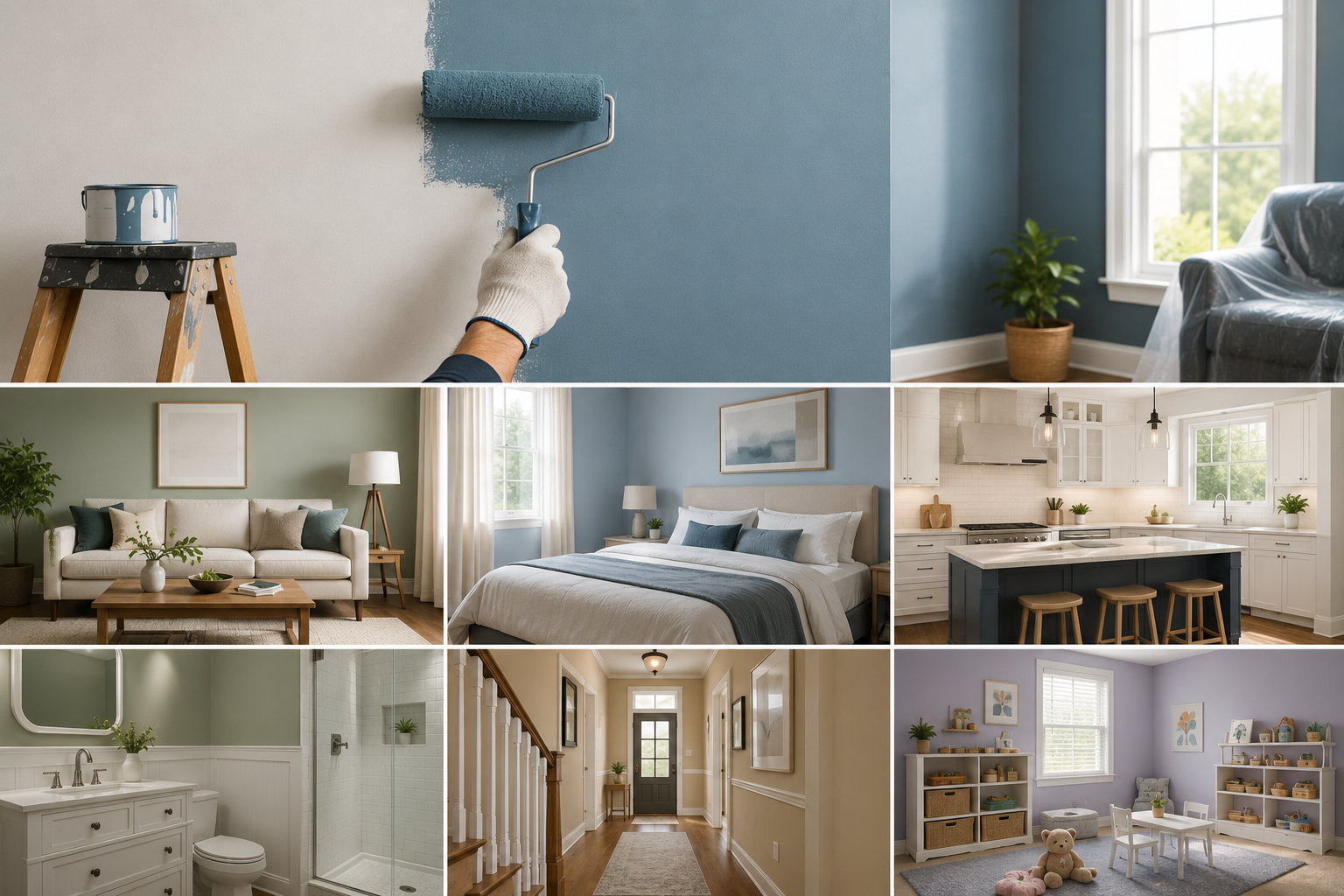
On average, interior paint lasts between 5 and 10 years, though the exact timeline depends heavily on the specific room, paint quality, surface preparation, and how much daily wear the space experiences. High-traffic areas like kitchens, bathrooms, and hallways generally need repainting sooner, often every 3 to 5 years, while lower-traffic rooms like bedrooms and formal living spaces can often go 7 to 10 years or longer between paint jobs.
Paint type also plays a meaningful role, with latex paints generally averaging 7 to 10 years and oil-based paints often lasting longer, sometimes 10 to 15 years, depending on the specific product and application conditions.
Average Paint Lifespan by Room

Different rooms experience very different levels of wear, moisture, and daily use, which significantly affects how long paint holds up in each space.
1- Living Rooms and Dining Rooms
Living rooms and dining rooms typically experience moderate traffic and minimal moisture, allowing paint to hold its appearance for a comparatively long time. Many homeowners find paint in these rooms lasting between five and ten years before fading, minor scuffs, or subtle discoloration become noticeable enough to prompt a repaint.
2- Bedrooms
Bedrooms tend to be some of the longest-lasting painted spaces in a home, particularly guest rooms or rooms with limited daily use. Primary bedrooms may show wear a bit sooner due to more frequent use, while children’s bedrooms often need repainting sooner due to marks, scuffs, and general wear from active use.
3- Kitchens
Kitchens are among the highest-use rooms in most homes, exposed regularly to grease, steam, and heat from cooking. This combination of factors generally shortens paint lifespan compared with lower-traffic living spaces.
4- Bathrooms
Bathroom paint typically has one of the shortest lifespans in the home, generally lasting between 3 and 4 years in frequently used bathrooms, though guest bathrooms that see less regular use may last closer to 4 to 6 years. Humidity and moisture from showers are the primary factors driving this shorter lifespan.
5- Hallways
Hallways see consistent foot traffic and frequent contact from hands, bags, and furniture being moved through, all of which contribute to more visible wear over a shorter period compared with less-trafficked rooms.
| Room Type | Typical Paint Lifespan |
| Living Rooms | 7–10 years |
| Bedrooms | 7–10 years |
| Dining Rooms | 7–10 years |
| Hallways | 3–5 years |
| Kitchens | 3–5 years |
| Bathrooms | 3–4 years |
| Kids’ Rooms | 3–5 years |
How Paint Finish Affects Lifespan
Beyond room type, the specific paint finish you choose significantly affects how long the paint job lasts and how well it resists everyday wear.
- Flat and matte finishes generally last around 5 to 7 years, working well for lower-traffic areas like bedrooms or formal dining rooms, though they’re less resistant to scuffs and stains than glossier options.
- Eggshell and satin finishes typically last between 5 and 10 years, offering a popular middle ground for living rooms and hallways with a solid balance of appearance and durability.
- Semi-gloss and gloss finishes can last anywhere from 10 to 15 years or more, making them well suited to high-touch or high-moisture areas like trim, kitchens, and bathrooms.
Factors That Affect Interior Paint Lifespan
Several variables beyond room type and finish influence how long your specific paint job will actually last.
Paint Quality
Premium paint typically lasts 8 to 10 years, compared with as little as 2 to 4 years for lower-quality budget paint. Higher-quality paints generally use better pigments and binders, producing a more durable, better-covering finish that holds up considerably longer over time.
Beyond durability, it’s worth checking a paint’s VOC (volatile organic compound) content the EPA notes that lower-VOC paints are better for indoor air quality, and many premium paint lines now offer zero- or low-VOC formulations without sacrificing durability.
Surface Preparation
Proper cleaning, patching, and priming before painting significantly affects how well paint adheres and how long it lasts. Skipping preparation steps is one of the most common reasons a paint job fails to reach its expected lifespan.
Application Quality
Professional application using proper technique and adequate coats tends to produce longer-lasting results than rushed or improperly applied paint jobs, regardless of the specific product used.
Room Function and Traffic
As covered above, high-traffic, high-moisture rooms naturally wear paint down faster than lower-use, drier spaces, making room function one of the most significant factors in paint longevity.
Environmental Conditions
Since homes aren’t typically exposed to extreme temperature swings indoors the way exterior surfaces are, interior paint generally experiences less stress from expansion and contraction, helping extend its lifespan compared with exterior paint. That said, homes in regions with significant humidity or temperature variation may still see paint wear somewhat faster than homes in more stable climates.
Signs It’s Time to Repaint
Recognizing early warning signs helps you plan a repaint before walls look genuinely worn or dated.
- Fading or discoloration, particularly near windows exposed to consistent sunlight
- Visible scuffs or scratches that cleaning no longer fully removes
- Cracking or peeling paint, especially in high-moisture areas like bathrooms
- Chalking, a powdery residue that appears when paint begins breaking down
- Persistent stains that show through even after spot cleaning
- Outdated color that no longer suits your updated décor, even if the paint itself remains in good condition
How to Extend the Life of Your Interior Paint
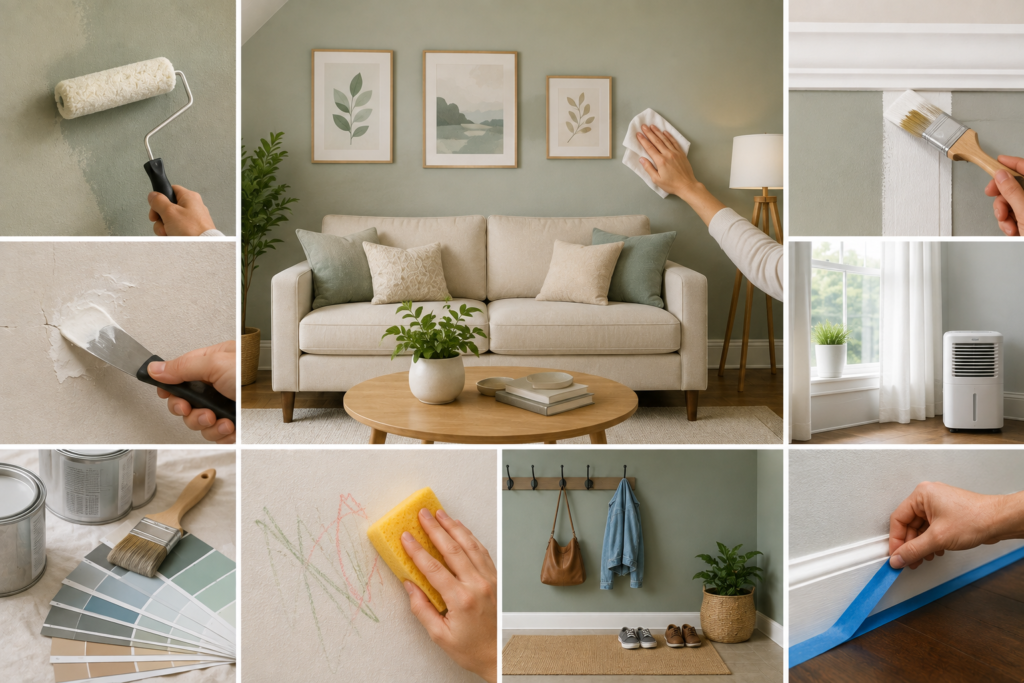
A few consistent habits can meaningfully extend how long your paint job looks fresh, regardless of room type.
- Choose quality paint and proper application: Investing in higher-quality paint and proper surface preparation upfront pays off through a longer-lasting, better-looking result.
- Clean walls regularly: Gentle, regular cleaning removes dust and light grime before it builds up and becomes harder to remove without damaging the paint.
- Address small issues promptly: Touching up minor scuffs or scratches as they appear prevents them from becoming more noticeable and widespread over time.
- Use moisture-resistant paint in humid areas: Bathrooms and kitchens benefit from paint specifically formulated to resist humidity and mildew, extending the practical lifespan in these higher-moisture spaces.
- Choose appropriate finishes for each room: Matching finish durability to room function, semi-gloss for high-traffic or high-moisture areas, and flatter finishes for calmer spaces, helps paint perform its best in each specific setting.
- Keep leftover paint for touch-ups: Storing leftover paint properly allows you to address small chips or scuffs without needing to repaint an entire wall or room.
Repainting Priorities: Where to Start First
If your budget doesn’t allow for repainting your entire home at once, prioritizing rooms based on wear and visibility helps you get the most value from your repainting schedule.
- Highest priority: Kitchens, bathrooms, and hallways, since these rooms show wear fastest and are seen daily by household members and guests.
- Medium priority: Living rooms and dining rooms, particularly if fading or scuffing has become noticeable, even though these spaces generally wear more slowly.
- Lower priority: Bedrooms, especially guest rooms or spaces with minimal daily use, which often remain in good condition considerably longer than more heavily used areas.
Comparing Paint Types and Expected Durability
| Paint Type | Typical Lifespan | Best For |
| Budget latex paint | 2–4 years | Temporary or low-priority spaces |
| Standard latex paint | 5–7 years | General everyday use |
| Premium latex paint | 8–10 years | High-traffic or high-visibility rooms |
| Oil-based paint | 10–15 years | Trim, doors, high-durability needs |
Why Some Rooms Age Differently Even With the Same Paint
It’s common for two rooms painted at the same time, even with identical paint, to show noticeably different wear years later. Understanding why helps set realistic expectations.
- Light exposure varies by room orientation: Rooms with south- or west-facing windows generally receive more direct sunlight, which can accelerate fading compared with rooms with less direct light exposure.
- Foot traffic and contact points differ: Hallways, entryways, and rooms near frequently used doors experience more physical contact from hands, bags, and furniture than quieter rooms further from daily traffic patterns.
- Moisture exposure isn’t uniform: Even within the same home, rooms closer to kitchens or bathrooms may experience slightly elevated humidity compared with rooms further away, subtly affecting paint longevity.
- Furniture and décor changes affect visible wear: A room that’s frequently rearranged or redecorated may show more nicks and scuffs from moving furniture than a room that stays relatively static.
These variations explain why a one-size-fits-all repainting schedule rarely works well, and why room-by-room assessment produces better results than a fixed calendar schedule.
Cost Considerations When Planning a Repaint
Understanding typical cost factors helps you budget realistically and decide whether a full repaint or a touch-up makes more sense.
- Touch-ups versus full repaints: Addressing small, isolated wear with touch-up paint is considerably less expensive than repainting an entire room, provided you’ve kept some matching leftover paint in storage.
- Paint quality affects long-term cost: While premium paint costs more upfront, its longer lifespan often makes it more cost-effective over time compared with needing to repaint more frequently with budget options.
- Professional versus DIY application: Professional painters typically charge more upfront but often achieve more durable, longer-lasting results through proper technique, which can offset some of the additional cost over the paint’s lifespan.
- Prioritizing rooms strategically: Rather than repainting your entire home at once, focusing your budget on the highest-wear, most visible rooms first often provides better overall value.
How Climate and Location Affect Paint Longevity
Where you live can meaningfully influence how long your interior paint lasts, even for otherwise identical jobs.
- Humid climates: Homes in consistently humid regions may see paint wear somewhat faster, particularly in bathrooms and kitchens, due to the added moisture stress on painted surfaces.
- Areas with significant temperature swings: While interior spaces are generally protected from extreme weather, homes without consistent climate control may still experience some indirect effects on paint durability from temperature and humidity fluctuations.
- Coastal or high-altitude regions: Certain regional conditions, such as salt air near coastlines or intense UV exposure at higher altitudes, can subtly affect how quickly paint fades or wears, even indoors near windows.
While these factors matter less for interior paint than exterior paint, they’re worth considering if your paint wears faster than the typical ranges outlined earlier.
Maintaining Paint Between Repaints
Simple maintenance habits can meaningfully extend how long a paint job continues to look fresh.
- Regular gentle cleaning: Dust and wipe down walls periodically, particularly in kitchens and high-traffic areas, using a soft cloth and mild cleaning solution appropriate for your paint’s finish.
- Prompt spot cleaning: Address spills, splatters, or marks as soon as they happen, since fresh marks are considerably easier to clean than those left to set for an extended period.
- Avoiding harsh chemicals: Overly abrasive cleaners can dull or damage paint finishes over time, so stick to gentle, paint-appropriate cleaning products rather than harsh all-purpose sprays see our guide to essential cleaning tools for every home for what belongs in a general cleaning kit versus specialty products.
- Touching up promptly: Small chips or scuffs are much easier to blend seamlessly with a quick touch-up soon after they occur, compared with addressing more widespread wear later on.
Conclusion
Interior paint typically lasts between 5 and 10 years, though the exact timeline varies considerably based on room function, paint quality, finish type, and how well the surface was prepared before painting. High-traffic, high-moisture rooms like kitchens and bathrooms generally need repainting sooner, while bedrooms and formal living spaces can often go significantly longer between paint jobs. Investing in quality paint, proper preparation, and appropriate finishes for each room’s specific needs helps you get the most value and longevity out of every paint job in your home.
Frequently Asked Questions
1- How often should I repaint my kitchen?
Kitchens typically need repainting every 3 to 5 years due to grease, steam, and heat exposure from regular cooking activity.
2- Does bathroom paint really wear out faster than other rooms?
Yes, bathroom paint generally lasts only 3 to 4 years in frequently used bathrooms due to consistent humidity and moisture exposure from showers and baths.
3- Is premium paint worth the extra cost?
Yes, premium paint typically lasts significantly longer than budget options, often 8 to 10 years compared with just 2 to 4 years for lower-quality paint, making it more cost-effective over time.
4- What’s the longest-lasting paint finish?
Semi-gloss and gloss finishes generally last the longest, often 10 to 15 years or more, making them well suited to trim, doors, and high-durability applications.
5- How can I tell if it’s time to repaint a room?
Fading, visible scuffs that don’t clean off, cracking or peeling, and chalking residue are all clear signs that a room is due for a fresh coat of paint.
6- Does professional application really make paint last longer?
Yes, proper surface preparation and application technique significantly affect how well paint adheres and how long it holds up compared with rushed or improperly applied paint jobs.