
Buying a storage shed is one of the smartest ways to organize your outdoor space, but choosing the wrong size can lead to frustration and unnecessary expense. A shed that’s too small quickly becomes overcrowded, while one that’s too large may take up valuable yard space and cost more than necessary.
The right storage shed should fit your current belongings while leaving room for future storage. It should also complement your backyard, meet local regulations, and provide enough space to move around comfortably inside. Many homeowners focus on material or style first, but size is often the most important decision because it affects usability, functionality, and long-term value.
Whether you’re storing gardening tools, lawn equipment, bicycles, patio furniture, or seasonal decorations, understanding shed dimensions will help you make a confident purchase.
This guide explains how to choose the right storage shed size, compares common dimensions, and highlights the key factors every homeowner should consider before buying.
Why Storage Shed Size Matters
The size of your shed affects much more than storage capacity.
Choosing the correct size helps you:
- Organize belongings efficiently
- Protect equipment from damage
- Leave room for future purchases
- Improve accessibility
- Maximize backyard space
- Avoid replacing the shed too soon
A little planning now can save both money and frustration later.
Start by Identifying Your Storage Needs
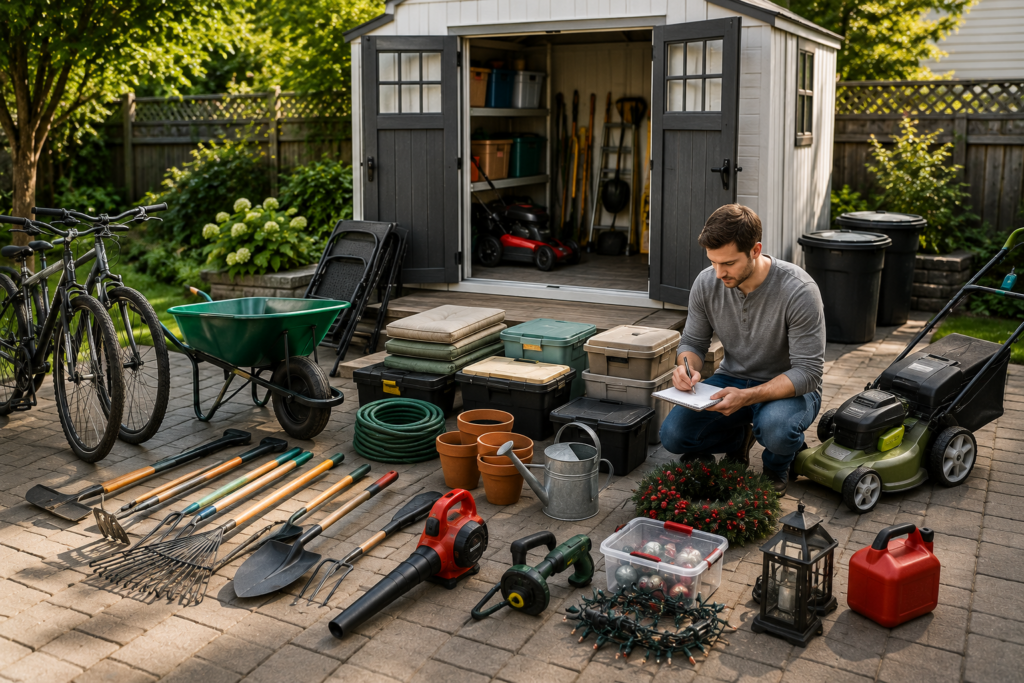
Before comparing shed sizes, create a list of everything you plan to store.
Common items include:
- Lawn mower
- Garden tools
- Leaf blower
- Wheelbarrow
- Bicycles
- Patio cushions
- Outdoor toys
- Holiday decorations
- Power tools
- Fertilizer and soil
- Grills
- Small ladders
Seeing everything together makes estimating your storage needs much easier.
Think About Future Storage
Many homeowners buy a shed based only on their current belongings.
Instead, consider future purchases such as:
- New gardening equipment
- Outdoor furniture
- Snow blower
- Riding mower
- Additional bicycles
- Camping equipment
Leaving extra room now often prevents needing a larger shed later.
Common Storage Shed Sizes
Storage sheds are available in many dimensions.
The following table provides a general overview.
| Shed Size | Best For |
| 4×6 | Basic garden storage |
| 6×8 | Small yards and hand tools |
| 8×8 | Garden equipment and bicycles |
| 8×10 | Average homeowner storage |
| 10×10 | Lawn equipment and seasonal storage |
| 10×12 | Larger families |
| 10×16 | Workshop and storage |
| 12×20 | Large equipment and hobby space |
Each size serves different needs.
Small Storage Sheds (4×6 to 6×8)
Small sheds work well when storage needs are limited.
They’re suitable for:
- Garden tools
- Water hoses
- Hand tools
- Potting supplies
- Lawn chemicals
Advantages include:
- Lower cost
- Fits smaller yards
- Easier installation
- Minimal maintenance
However, small sheds can become crowded if your storage needs grow.
Medium Storage Sheds (8×8 to 10×10)
Medium-sized sheds are among the most popular choices for homeowners.
They typically provide enough room for:
- Push lawn mower
- Garden equipment
- Outdoor furniture
- Bicycles
- Seasonal decorations
- Storage shelving
These sheds offer an excellent balance between capacity and space efficiency.
Large Storage Sheds (10×12 and Larger)
Large sheds are ideal for homeowners with extensive storage needs.
They can accommodate:
- Riding lawn mowers
- Workbenches
- Multiple bicycles
- Snow blowers
- Outdoor recreation equipment
- Large storage shelves
Some homeowners also use larger sheds as hobby rooms or workshops.
Measure Your Backyard Carefully
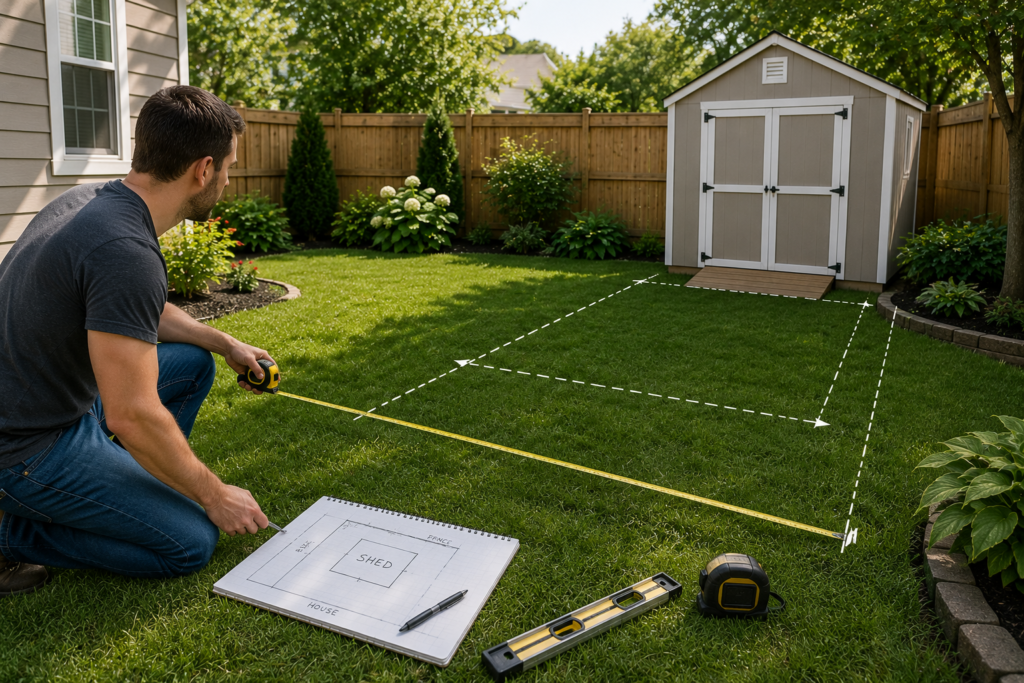
Knowing your available yard space is just as important as knowing what you’ll store.
Measure:
- Width
- Length
- Access paths
- Distance from fences
- Trees
- Existing landscaping
Don’t forget to leave room for maintenance around the shed.
Walking space makes cleaning, repairs, and landscaping much easier.
Leave Space to Move Around
Storage isn’t only about fitting your belongings inside.
You’ll also need room to:
- Open the door fully
- Walk comfortably
- Move equipment
- Reach shelves
- Organize supplies
A crowded shed quickly becomes frustrating to use.
Consider Door Size
Large equipment requires wider door openings.
Double doors are especially useful for:
- Lawn tractors
- Wheelbarrows
- Large lawn mowers
- Garden carts
- Patio furniture
A properly sized doorway improves accessibility without increasing the overall shed footprint.
Plan for Shelving
Shelving dramatically increases usable storage space.
Instead of stacking everything on the floor, shelves allow vertical organization.
Consider storing:
- Paint cans
- Hand tools
- Fertilizers
- Cleaning products
- Small gardening supplies
Vertical storage often allows homeowners to purchase a slightly smaller shed while maintaining excellent organization.
Think About Headroom
Height matters just as much as floor space.
Additional headroom allows you to:
- Install taller shelving
- Hang tools
- Store ladders
- Improve ventilation
- Create overhead storage
Roof design affects interior height.
Gable and gambrel roofs generally provide more vertical storage than lean-to styles.
Should You Add Workspace?
Some homeowners use their shed for more than storage.
If you plan to include:
- Workbench
- Potting station
- DIY workspace
- Tool repair area
Choose a larger shed that allows comfortable movement around the workspace.
Trying to combine storage and workspace inside a small shed usually results in overcrowding.
Consider Local Regulations
Before purchasing your shed, review local requirements.
Some municipalities regulate:
- Maximum shed size
- Property setbacks
- Foundation requirements
- Overall height
Checking local regulations before buying helps avoid unexpected problems during installation.
Choosing the Right Shed Size for Different Homeowners
The best storage shed size depends on how you plan to use it. A homeowner with a small garden has very different storage needs than someone maintaining a large backyard or several outdoor hobbies.
For Apartment or Townhouse Owners
If you have limited outdoor space, a compact shed is often enough.
Recommended sizes:
- 4×6
- 6×6
- 6×8
Ideal for storing:
- Gardening tools
- Folding chairs
- Small grill accessories
- Outdoor cushions
- Cleaning supplies
These sheds maximize storage without overwhelming a small patio or backyard.
For Average Homeowners
A medium-sized shed provides enough room for everyday outdoor equipment.
Recommended sizes:
- 8×8
- 8×10
- 10×10
Suitable for:
- Push lawn mower
- Garden tools
- Bikes
- Patio furniture
- Holiday decorations
- Sports equipment
This is the most popular size range because it balances storage capacity with efficient use of backyard space.
For Large Families
If multiple family members use outdoor equipment, you’ll likely need more storage.
Recommended sizes:
- 10×12
- 10×16
- 12×16
These sheds can hold:
- Multiple bicycles
- Camping equipment
- Lawn equipment
- Outdoor toys
- Seasonal decorations
- Extra shelving
Larger families often appreciate having room to organize belongings instead of stacking everything together.
For Hobbyists or DIY Enthusiasts
If you plan to use your shed as both storage and a workspace, choose a larger model.
Recommended sizes:
- 10×16
- 12×16
- 12×20
These sizes allow space for:
- Workbench
- Storage cabinets
- Power tools
- Gardening station
- Craft supplies
- Small woodworking projects
Having dedicated workspace makes the shed much more versatile.
Don’t Forget About the Foundation
The shed itself is only part of the project. A proper foundation supports the structure and protects it from moisture and shifting.
Common foundation options include:
- Concrete slab
- Gravel base
- Pressure-treated wood platform
- Concrete pavers
The foundation should match the size and weight of your shed while providing a level surface.
Leave Room Around the Shed
Many homeowners focus only on the shed’s dimensions and forget about the surrounding space.
Allow enough clearance to:
- Open doors fully
- Perform maintenance
- Clean around the shed
- Trim vegetation
- Improve airflow
A good rule is to leave at least a few feet of accessible space around the structure whenever possible.
Consider Your Yard Layout
A shed should fit naturally into your backyard without making the area feel crowded.
Before choosing a size, think about nearby features such as:
- Patio
- Deck
- Garden beds
- Fence
- Trees
- Walkways
- Children’s play areas
The goal is to improve your outdoor space, not overwhelm it.
How Storage Organization Affects Shed Size
Good organization can dramatically increase usable storage capacity.
Adding:
- Wall-mounted hooks
- Adjustable shelving
- Ceiling storage
- Pegboards
- Tool racks
It helps maximize vertical space.
An organized 8×10 shed often stores more usable equipment than a cluttered 10×12 shed.
Planning your storage layout before buying allows you to choose a size more confidently.
Common Mistakes When Choosing Shed Size
Avoiding a few common mistakes will help you make a better long-term investment.
Choosing the Smallest Option
Buying the smallest shed to save money often leads to overcrowding.
As storage needs increase, homeowners frequently wish they had purchased a larger model.
Ignoring Future Purchases
Think beyond today’s equipment.
Future additions might include:
- Larger lawn mower
- Outdoor furniture
- New gardening tools
- Children’s bikes
- Snow removal equipment
Planning ahead prevents outgrowing your shed.
Forgetting Vertical Storage
Floor space isn’t everything.
Taller sheds with shelves and wall storage provide significantly more usable capacity than shorter models.
Not Measuring Equipment
Large items should be measured before purchasing a shed.
Check the dimensions of:
- Lawn mower
- Wheelbarrow
- Grill
- Ladder
- Storage cabinets
This helps avoid unpleasant surprises after installation.
Overlooking Door Width
A shed may have enough interior space but still be difficult to use if the doorway is too narrow.
Double doors are recommended for larger equipment.
Storage Shed Size Buying Checklist
Before purchasing your storage shed, ask yourself these questions:
- ✓ Have I listed everything I need to store?
- ✓ Have I considered future storage needs?
- ✓ Have I measured my backyard accurately?
- ✓ Will I have enough room to move around inside?
- ✓ Does the doorway fit my largest equipment?
- ✓ Have I planned for shelving and vertical storage?
- ✓ Is the foundation suitable for the shed size?
- ✓ Have I checked local zoning or permit requirements?
- ✓ Does the shed fit my budget?
- ✓ Will the shed complement my outdoor space?
Taking a few minutes to review this checklist can help you avoid costly sizing mistakes.
Conclusion
Choosing the right storage shed size is one of the most important decisions you’ll make when improving your outdoor storage. The ideal shed should comfortably hold your current equipment, provide room for future purchases, and fit naturally within your backyard without taking away valuable outdoor living space. By considering your storage needs, yard dimensions, equipment sizes, and organization plans before buying, you’ll be better prepared to choose a shed that remains practical for years to come.
Remember that a storage shed is a long-term investment. Selecting the right size now helps prevent overcrowding, improves organization, and reduces the likelihood of needing a larger replacement later. Whether you choose a compact garden shed or a spacious workshop-style structure, careful planning will ensure your new shed becomes a valuable addition to your home.
Frequently Asked Questions
1- What is the most popular storage shed size?
For many homeowners, an 8×10 or 10×10 shed offers an excellent balance of storage capacity, affordability, and backyard compatibility.
2- Should I buy a larger shed than I currently need?
If your budget and available yard space allow, choosing a slightly larger shed often provides better long-term value because storage needs tend to grow over time.
3- How much space should I leave around my shed?
Leaving enough room to walk around the shed improves maintenance, ventilation, and accessibility. Local building codes may also specify minimum setbacks from property lines.
4- Can I store a riding lawn mower in any shed?
No. Riding lawn mowers require both sufficient floor space and a wide doorway. Measure your equipment carefully before choosing a shed size.
5- Is it better to build shelves or buy a larger shed?
Shelving is one of the most effective ways to increase storage capacity. In many cases, good organization allows homeowners to make better use of a medium-sized shed without immediately upgrading to a much larger one.