
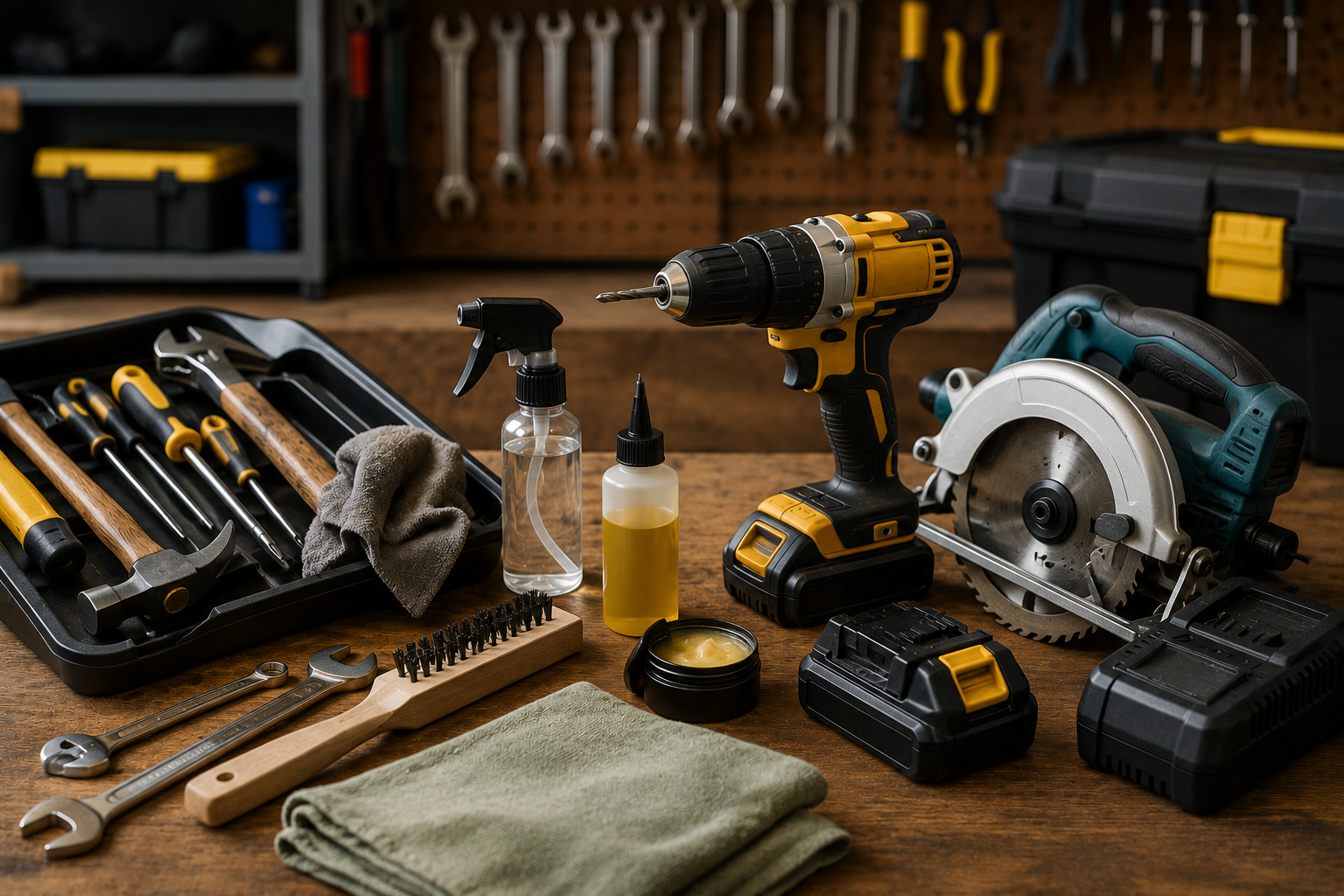
This guide covers how to maintain your DIY tools, including hand tools, power tools, and general storage practices that extend their working life. We’ll also cover tool care, rust prevention, and practical maintenance advice for American homeowners.
By the end, you’ll have a clear, simple routine for keeping your tools in great shape for years of reliable use.
What Does Tool Maintenance Actually Involve?
Good tool maintenance comes down to a few consistent habits: cleaning tools after each use, keeping metal parts dry and lightly oiled to prevent rust, storing tools properly to avoid damage, and periodically checking power tools for wear on cords, batteries, and moving parts.
These habits apply broadly across most tool types, though hand tools and power tools each have some specific care needs worth understanding in more detail.
Why Tool Maintenance Matters
Neglected tools don’t just look worn; they perform worse and can even become unsafe to use over time. Rusted blades cut less cleanly, dull edges require more force and increase the risk of slipping, and power tools with worn components can fail unexpectedly during use.
Beyond safety, proper maintenance protects your investment. Quality tools represent a meaningful cost, and consistent care helps you get the most value out of them rather than replacing items prematurely due to avoidable wear.
Hand Tool Maintenance
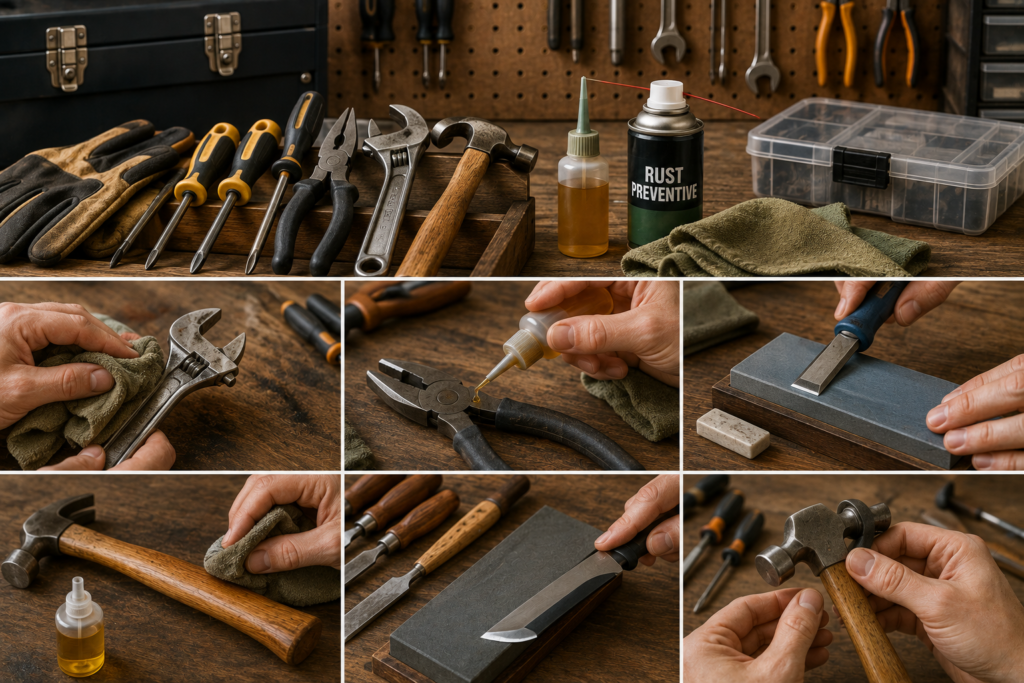
Hand tools are generally simpler to maintain than power tools, but consistent care still makes a real difference in how long they last and how well they perform.
Cleaning Hand Tools After Use
Wipe down tools with a clean, dry cloth after each use to remove dust, dirt, and moisture before storing them. For tools exposed to particularly dirty or wet conditions, a slightly damp cloth followed by thorough drying helps prevent buildup from hardening onto the tool’s surface.
Preventing Rust on Metal Tools
Rust forms when metal is exposed to moisture over time, making prevention the most effective strategy for tool longevity. Apply a thin layer of light machine oil or a rust-inhibiting spray to metal surfaces periodically, particularly for tools stored in humid environments like garages or sheds.
Simple rust prevention routine:
- Wipe tools clean and dry immediately after use
- Apply a light coat of oil to metal surfaces every few months
- Store tools in a dry area, avoiding damp basements or uncovered outdoor storage
- Use silica gel packs or a dehumidifier in storage areas prone to moisture
Sharpening Cutting Tools
Chisels, hand planes, knives, and other cutting tools perform significantly better when kept sharp, since dull blades require more force and increase the risk of the tool slipping during use. A sharpening stone or honing guide can help maintain a consistent edge, and many hardware stores offer professional sharpening services for tools you’d rather not sharpen yourself.
Maintaining Wooden Handles
Wooden handles on hammers, axes, and similar tools can dry out and crack over time if left untreated. Periodically applying a small amount of linseed oil helps keep wood conditioned and less prone to splitting, extending the handle’s usable life.
Checking for Looseness and Wear
Regularly check that hammer heads, screwdriver handles, and other tools with separate components remain securely attached. A loose tool head is both a performance issue and a genuine safety hazard during use.
Power Tool Maintenance
Power tools involve more components than hand tools, including motors, batteries, and cords, each requiring specific attention to stay in good working order.
Cleaning Power Tools Properly
Dust and debris buildup, particularly from materials like wood or drywall, can affect a power tool’s performance and even damage internal components over time. Use a soft brush or compressed air to clear debris from vents and moving parts, and always unplug corded tools or remove batteries before cleaning.
Battery Care for Cordless Tools
Lithium-ion batteries, now standard in most cordless power tools, have specific care requirements that affect their overall lifespan. Avoid letting batteries sit fully depleted for extended periods, and where possible, avoid storing them in extreme heat or cold, since temperature extremes can accelerate battery degradation.
Battery maintenance tips:
- Charge batteries before they’re completely depleted rather than waiting until they’re empty
- Store batteries at room temperature when not in use for extended periods
- Avoid leaving batteries on the charger indefinitely once fully charged
- Replace batteries that no longer hold a charge as expected, since this typically indicates the battery has reached the end of its useful life
Inspecting Cords and Cables
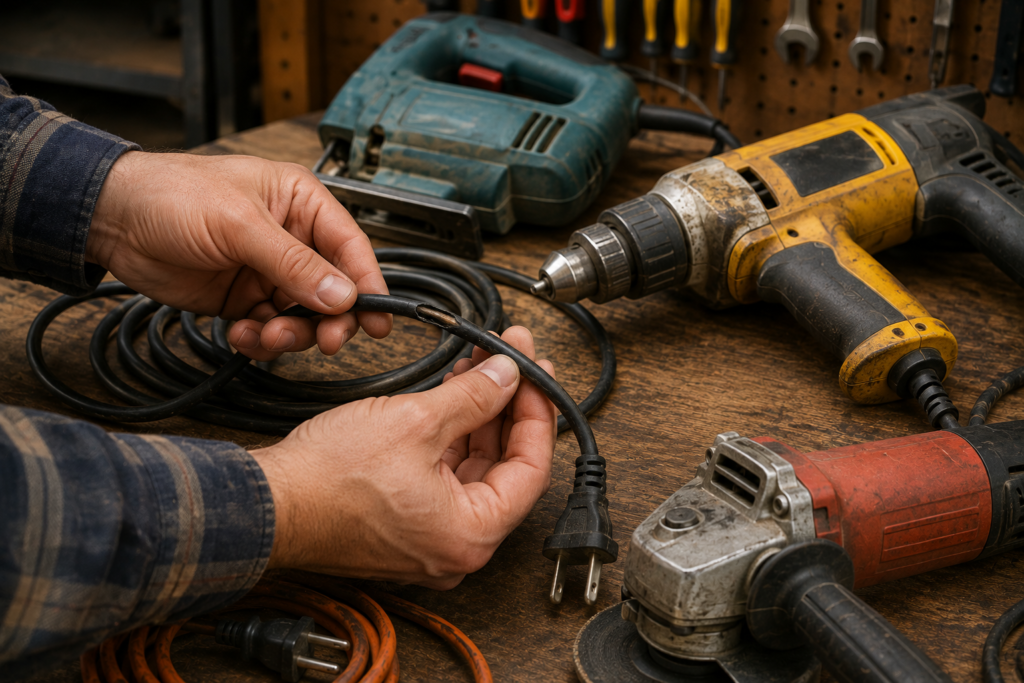
For corded power tools, regularly check the cord for fraying, cracking, or exposed wiring, since damaged cords present a genuine electrical safety risk. Replace damaged cords promptly rather than continuing to use a tool with visible cord damage.
Lubricating Moving Parts
Many power tools have moving components, such as gears or hinges, that benefit from occasional lubrication according to manufacturer instructions. Check your tool’s manual for specific guidance, since over-lubrication or using the wrong type of lubricant can sometimes cause more harm than good.
Checking and Replacing Blades or Bits
Dull blades and worn bits force power tools to work harder, which can strain the motor and produce lower-quality results. Regularly inspect blades, bits, and other consumable components, replacing them once they show significant wear rather than continuing to use them well past their useful life.
Essential Supplies for Tool Maintenance
Keeping a small set of maintenance supplies on hand makes it far easier to stay consistent with tool care.
- Light machine oil or rust-inhibiting spray: For coating metal surfaces on hand tools to prevent corrosion
- Clean, dry cloths: For wiping down tools after each use
- A sharpening stone or honing guide: For maintaining cutting edges on chisels, knives, and similar tools
- Linseed oil: For conditioning wooden handles and preventing cracking
- A soft brush or compressed air canister: For clearing dust and debris from power tool vents and moving parts
- Silica gel packs or a small dehumidifier: For controlling moisture in tool storage areas prone to humidity
Keeping these basic supplies together in one accessible spot, rather than scattered throughout the garage, makes it much more likely you’ll actually follow through on regular maintenance tasks.
Seasonal Tool Maintenance Considerations
Tool care needs can shift depending on the time of year, particularly for households in climates with significant seasonal temperature and humidity swings.
- Before winter storage: Clean and oil metal tools thoroughly before extended storage, since tools left unused for months are more prone to rust if not properly prepared beforehand.
- During humid summer months: Check metal tools more frequently for early signs of rust, since higher humidity accelerates corrosion, particularly in unconditioned garages or sheds.
- After outdoor projects: Tools used outdoors, especially in wet grass, soil, or rain, need more thorough cleaning and drying than tools used exclusively indoors.
- Battery care in extreme temperatures: Avoid leaving cordless tool batteries in an unheated garage during severe cold snaps or in direct summer heat, since both temperature extremes can shorten battery lifespan over time.
Building these seasonal checks into your routine helps catch potential issues before they become bigger problems.
Comparing Maintenance Needs by Tool Type
| Tool Type | Key Maintenance Task | Frequency |
| Hand tools (metal) | Clean and oil to prevent rust | After each use / monthly |
| Cutting tools | Sharpen blades and edges | As needed, based on use |
| Wooden-handled tools | Condition with linseed oil | Every few months |
| Cordless power tools | Battery care and storage | Ongoing, each use |
| Corded power tools | Inspect cords for damage | Monthly or before each use |
| All power tools | Clean vents and moving parts | After heavy-use projects |
Proper Tool Storage
How you store tools between projects significantly affects how well they hold up over time, regardless of tool type.
- Keep tools dry: Moisture is one of the leading causes of rust and corrosion, so store tools in a dry area rather than damp basements, uncovered sheds, or areas prone to condensation.
- Use organized storage systems: Toolboxes, pegboards, and drawer organizers not only make tools easier to find but also reduce the wear that comes from tools knocking against each other in a disorganized pile.
- Protect cutting edges: Blade guards or dedicated slots for sharp tools prevent both damage to the tool and injury risk when reaching into storage.
- Store batteries separately from tools when possible: Some manufacturers recommend removing batteries from tools during long-term storage to prevent unnecessary drain or potential corrosion at battery contacts.
- Avoid extreme temperatures: Both hand tools and power tools, particularly batteries, benefit from storage in moderate, stable temperatures rather than an unheated garage during severe winter cold or peak summer heat.
Creating a Simple Maintenance Schedule
Consistency is often the hardest part of tool maintenance. A simple routine helps you stay on top of these tasks without much extra effort.
| Frequency | Tasks |
| After each use | Wipe down tools, clear debris from power tools |
| Monthly | Check cords for damage, inspect for rust, oil metal surfaces |
| Every few months | Condition wooden handles, sharpen frequently used blades |
| Annually | Deep clean power tools, check battery health, reorganize storage |
Signs a Tool Needs Repair or Replacement
Not every issue can be fixed with basic maintenance, and it’s worth recognizing when a tool needs professional repair or replacement instead.
- Persistent rust despite regular care: Deep, pitted rust that continues to develop despite consistent maintenance may indicate the tool has reached the end of its useful life.
- Power tools that overheat or smell unusual during use: This can indicate a motor or wiring issue that requires professional inspection rather than continued use.
- Batteries that no longer hold a charge: A battery that drains unusually fast or won’t charge fully typically needs replacement rather than repair.
- Cracked or split wooden handles: While minor conditioning can help prevent cracking, a handle that has already split poses a safety risk and should be replaced.
- Blades or bits that won’t hold an edge: If sharpening no longer restores a cutting tool’s performance, the blade may be too worn to continue using effectively.
Common Tool Maintenance Mistakes to Avoid
- Storing tools while still dirty or damp: Putting tools away without cleaning them first is one of the most common causes of preventable rust and buildup.
- Ignoring small cord or battery issues: Minor cord damage or battery performance decline often worsens over time if left unaddressed.
- Using the wrong lubricant: Some lubricants can attract more dust or damage certain materials, so it’s worth confirming what’s appropriate for each specific tool.
- Overlooking manufacturer guidelines: Manufacturer manuals often include specific maintenance instructions that generic advice can’t fully replace.
- Neglecting less-used tools: Tools that sit unused for long stretches can still develop rust or battery issues, so periodic checks matter even for items you don’t reach for often.
Conclusion
Maintaining your DIY tools doesn’t require much time or specialized knowledge, just consistent habits like cleaning after use, preventing rust, and storing everything properly between projects. Hand tools benefit most from regular cleaning, oiling, and sharpening, while power tools need additional attention to batteries, cords, and internal components. With a simple, consistent maintenance routine, your tools will stay reliable and ready for whatever project comes next, saving you both money and frustration down the line.
Frequently Asked Questions
1- How often should I oil my metal hand tools?
Applying a light coat of oil every few months, or more frequently in humid environments, generally helps prevent rust on metal hand tools.
2- Can I leave power tool batteries on the charger indefinitely?
It’s generally best to avoid leaving batteries on the charger long after they’re fully charged, since this can affect long-term battery performance.
3- What’s the best way to prevent rust on my tools?
Keeping tools clean, dry, and lightly oiled, along with storing them in a dry environment, is the most effective way to prevent rust from developing.
4- How do I know if my power tool cord is unsafe?
Fraying, cracking, or any exposed wiring on a cord is a clear sign it needs replacement, since continuing to use a damaged cord presents an electrical safety risk.
5- Should I sharpen my own tools or have them professionally sharpened?
Basic sharpening with a stone or honing guide is manageable for most homeowners, though professional sharpening services can be a good option for specialty or high-value tools.
6- How can I tell if a tool needs to be replaced rather than repaired?
Persistent rust despite care, cracked handles, batteries that won’t hold a charge, and blades that no longer sharpen effectively are all signs it may be time to replace rather than continue maintaining the tool.