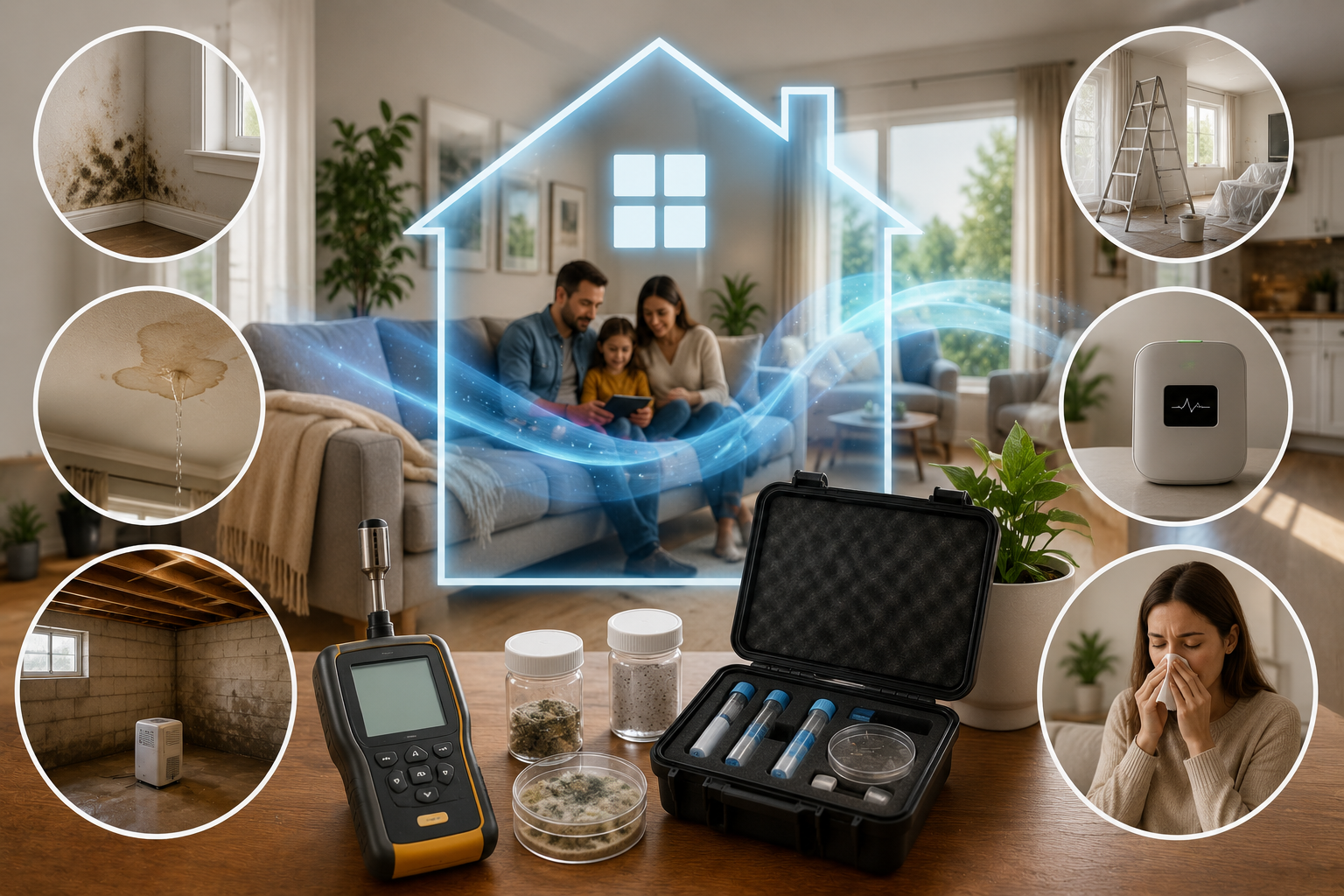
Not every home needs a full indoor air quality inspection but some genuinely do, and it’s not always obvious which situation you’re in. Testing can range from a $15 kit you pick up at a hardware store to a $1,000+ professional assessment, so knowing when it’s actually warranted (and which type of test fits your situation) makes a real difference in both cost and usefulness.
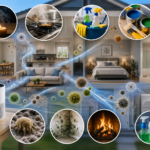
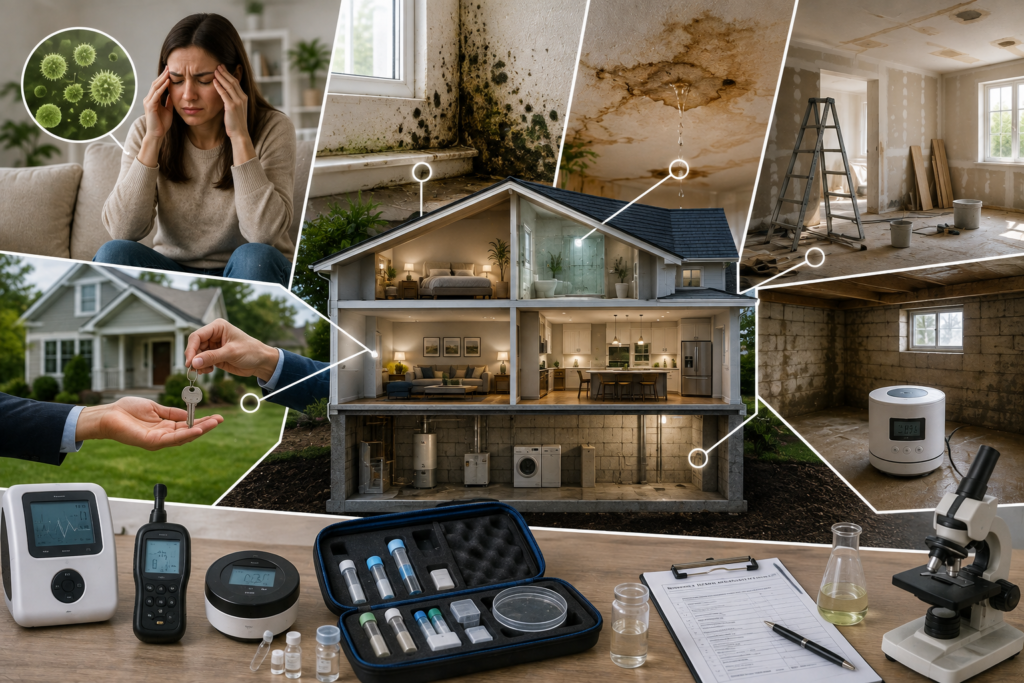
Indoor air quality testing is worth pursuing when you notice unexplained symptoms like headaches or allergies that improve away from home, a musty odor or visible mold, after a water leak or flooding, after a renovation or when moving into a newer home with strong “new” smells, or before buying or selling a property. DIY test kits ($10 to $85 for single-pollutant tests) work well for narrow, specific concerns, while professional testing ($250 to $1,200, averaging around $300 to $600) offers more comprehensive, lab-verified results particularly important for radon, mold, or situations involving a real estate transaction.
This guide breaks down exactly when testing makes sense, which type of test fits which concern, and how to choose between DIY and professional options.
Why Testing Matters More Than Most Homeowners Realize
According to the EPA, indoor air can be significantly more polluted than outdoor air sometimes two to five times more concentrated with certain pollutants largely because modern homes are built to be tightly sealed for energy efficiency. That same sealing that keeps conditioned air in can also trap pollutants inside, with nowhere to go unless the home has proper ventilation.
The challenge is that many indoor air pollutants radon, carbon monoxide, and many VOCs are colorless and odorless, meaning there’s often no obvious warning sign until testing reveals the issue.
When Indoor Air Quality Testing Is Genuinely Necessary
You or Your Family Have Unexplained Symptoms
If household members experience frequent headaches, allergy-like symptoms, or breathing discomfort especially symptoms that ease when away from home testing can help rule out or confirm whether indoor pollutants are contributing to the problem.
You Notice a Musty Odor or Visible Mold
A persistent musty smell or visible mold growth, particularly following any past water damage or in consistently humid areas, is one of the clearer signals that testing (or at minimum, a mold inspection) is worthwhile.
After a Water Leak or Flooding
Water intrusion creates ideal conditions for mold growth, sometimes in places that aren’t immediately visible, like behind walls or under flooring. Testing after significant water damage helps confirm whether mold has developed before it becomes a larger, more expensive problem.
After a Renovation or in a Newer Home
New building materials, fresh paint, new flooring, and new furniture can all off-gas volatile organic compounds (VOCs) and formaldehyde, sometimes creating a noticeable “new” smell. If that smell persists longer than expected, VOC testing can confirm whether levels are elevated.
Before Buying or Selling a Property
Indoor air quality testing particularly for radon and mold is a common part of due diligence in real estate transactions, since undisclosed issues can affect both health and property value. Professional testing with documented, lab-verified results carries more weight in this context than a basic DIY kit.
Living in a Radon-Prone Area
Radon is a colorless, odorless gas that can seep into homes from the ground, and it’s classified as the second-leading cause of lung cancer in the United States. Because there’s no symptom or smell to alert you, periodic radon testing is worth doing regardless of whether anything else seems wrong especially for basements and the lowest lived-in level of the home.
You Simply Want a Baseline, Even Without Symptoms
Testing isn’t only for households with an obvious problem. Since many pollutants are odorless and symptom-free until exposure builds up over time, testing even in the absence of noticeable issues can catch hidden risks early particularly worthwhile in tightly sealed, energy-efficient homes.
Matching the Test to Your Specific Concern
Not every situation calls for the same test. Choosing the right one rather than a broad, expensive panel you don’t need saves money and gets you more relevant answers.
| Your Concern | Recommended Test Focus |
| Musty smell or past water damage | Mold and biological sampling |
| New home smell or recent renovation | VOCs and formaldehyde |
| General dust, allergy symptoms | Particulate matter and allergens |
| Basement or lowest-level living space | Radon |
| Gas appliances, attached garage | Carbon monoxide |
| Real estate transaction | Comprehensive professional panel with documented results |
Practical guidance: If your concern is narrow and specific like confirming radon levels a targeted test is more cost-effective than paying for a wide-ranging panel you don’t need. If you’re not sure what’s causing symptoms, a broader professional assessment may be worth the extra cost to get a fuller picture.
DIY Testing: What It Covers and Its Limitations
DIY test kits offer an accessible, affordable way to check for specific pollutants without the cost of a professional visit.
Typical DIY Kit Costs
| Test Type | Approximate Cost |
| Mold test kits (petri dish/surface sampling) | $8–$85 |
| VOC/formaldehyde kits | $90–$400 |
| Radon test kits (charcoal canister) | $12–$50 |
| Carbon monoxide detectors | $15–$30 |
| Multi-pollutant digital monitors | $100–$500 |
What DIY Kits Do Well
- Offer a low-cost first step for a narrow, specific concern, like confirming radon levels in a basement
- Provide useful screening information without a scheduling delay
- Work well when you already have a good idea of what you’re checking for
The Limitations to Know
- Placement and timing matter significantly. A kit placed in the wrong room, too close to a vent, or left out for too short a time can produce misleading results.
- Some kits only confirm presence, not concentration for example, detecting that mold is present without measuring spore counts or identifying the specific type.
- Results generally lack “chain of custody” documentation, which matters if you need the results for a real estate transaction, insurance claim, or dispute over remediation.
- User error is more common than with professional sampling, since DIY kits rely on the homeowner to follow instructions precisely.
Professional Testing: What It Adds

Professional indoor air quality testing typically costs more, but it offers a more comprehensive and defensible result.
Typical Professional Testing Costs
| Test Scope | Approximate Cost |
| Basic single-pollutant assessment | $250–$450 |
| Standard comprehensive assessment | $300–$616 (average around $443) |
| Full, multi-pollutant panel with lab analysis | $500–$1,200 |
What You Get With Professional Testing
- Calibrated instruments and trained technicians, reducing the risk of placement or user error affecting the results
- Lab-certified analysis, particularly valuable for mold species identification and precise VOC or formaldehyde concentrations
- Documented, defensible results with a proper chain of custody — important for real estate transactions, insurance claims, or disputes
- Expert interpretation, including specific next-step recommendations based on your results, not just raw numbers
When Professional Testing Is Worth the Extra Cost
- Real estate transactions, where documented results matter
- Situations involving significant mold growth or extensive water damage
- Cases where DIY results are ambiguous or you want confirmation
- Multi-pollutant concerns where a single-focus DIY kit won’t give you the full picture
DIY vs. Professional: A Quick Comparison
| Factor | DIY Testing | Professional Testing |
| Cost | $10–$500 | $250–$1,200 |
| Accuracy | Variable, dependent on user technique | Higher, calibrated equipment |
| Scope | Usually single-pollutant focused | Can cover multiple pollutants in one visit |
| Documentation | Informal, not typically defensible | Lab-certified, chain-of-custody available |
| Best For | Narrow, specific concerns | Comprehensive assessment, real estate, unresolved symptoms |
| Turnaround | Immediate to a few days | Scheduling required, plus lab analysis time |
Understanding What Your Results Actually Mean
Test results are only useful if you know how to interpret them and what action, if any, they call for.
- Radon: The EPA recommends taking mitigation action if levels reach 4.0 picocuries per liter (pCi/L) or higher.
- VOCs: There’s no single universal safety standard, but results are often compared to typical ranges found in homes; elevated levels of specific VOCs like formaldehyde generally warrant action.
- Mold: Results typically identify the specific type of mold present and spore counts, with certain types considered higher priority for prompt remediation.
If results indicate elevated pollutant levels, common next steps include increasing ventilation, removing the pollutant source (such as addressing a water leak causing mold), using a targeted air purifier, or hiring a professional remediation service for more serious issues like extensive mold or elevated radon.
Practical Buying Advice
- Match the test to your specific concern first. Don’t pay for a broad, expensive panel if you’re really just trying to confirm one thing, like radon levels.
- Choose professional testing if the results need to hold up for a transaction or dispute. DIY results generally aren’t defensible in a real estate deal or insurance claim.
- Follow DIY kit placement instructions precisely. Improper placement is one of the most common sources of misleading DIY results.
- Budget for radon and carbon monoxide testing even without symptoms, since both are colorless, odorless, and can’t be detected any other way.
- Get a professional assessment if symptoms persist despite addressing obvious causes, since a more comprehensive test may catch something a narrow DIY kit missed.
Test With Purpose, Not Just for Peace of Mind Alone
Indoor air quality testing isn’t something every home needs on a routine basis, but it becomes genuinely valuable in specific situations persistent unexplained symptoms, visible mold or musty odors, after water damage or renovation, or as part of a real estate transaction. Matching the right test to your actual concern, rather than defaulting to the most expensive option or the cheapest one, gets you the most useful answer for your money.
If you’re dealing with a specific, narrow concern, a DIY kit is often a reasonable first step. If your situation involves ambiguous symptoms, significant mold, radon confirmation, or documentation you can rely on, professional testing is worth the added cost. Either way, testing turns guesswork about your home’s air into something you can actually act on which is the whole point.
FAQ
1- Do I need testing even if nothing seems obviously wrong?
It can still be worthwhile, particularly for radon and carbon monoxide, since these are odorless and symptom-free until exposure builds up. Testing without an obvious trigger is a reasonable proactive step, especially in tightly sealed, energy-efficient homes.
2- How do I know if I need a DIY kit or a professional inspection?
If your concern is narrow and specific like confirming radon in a basement a DIY kit is often sufficient. If you need comprehensive results, documentation for a transaction, or you’re dealing with ambiguous or persistent symptoms, professional testing is generally the better choice.
3- How much does professional indoor air quality testing typically cost?
Costs generally range from $250 to $1,200, with a standard comprehensive assessment averaging around $300 to $600, depending on your home’s size and the range of pollutants being tested.
4- Is radon testing really necessary if I don’t smell anything unusual?
Yes. Radon is completely colorless and odorless, meaning there’s no way to detect it through smell or symptoms testing is the only reliable way to know your home’s radon level.
5- What should I do if my test results show elevated pollutant levels?
The appropriate next step depends on the specific pollutant options include increasing ventilation, removing the pollutant source, using a targeted air purifier, or hiring a professional remediation service for more serious issues like radon or extensive mold.
6- Can I trust a cheap DIY test kit for something like a home sale?
Generally, no. DIY results usually lack the chain-of-custody documentation and lab certification that real estate transactions typically require a professional assessment is the more reliable and defensible option in that context.