
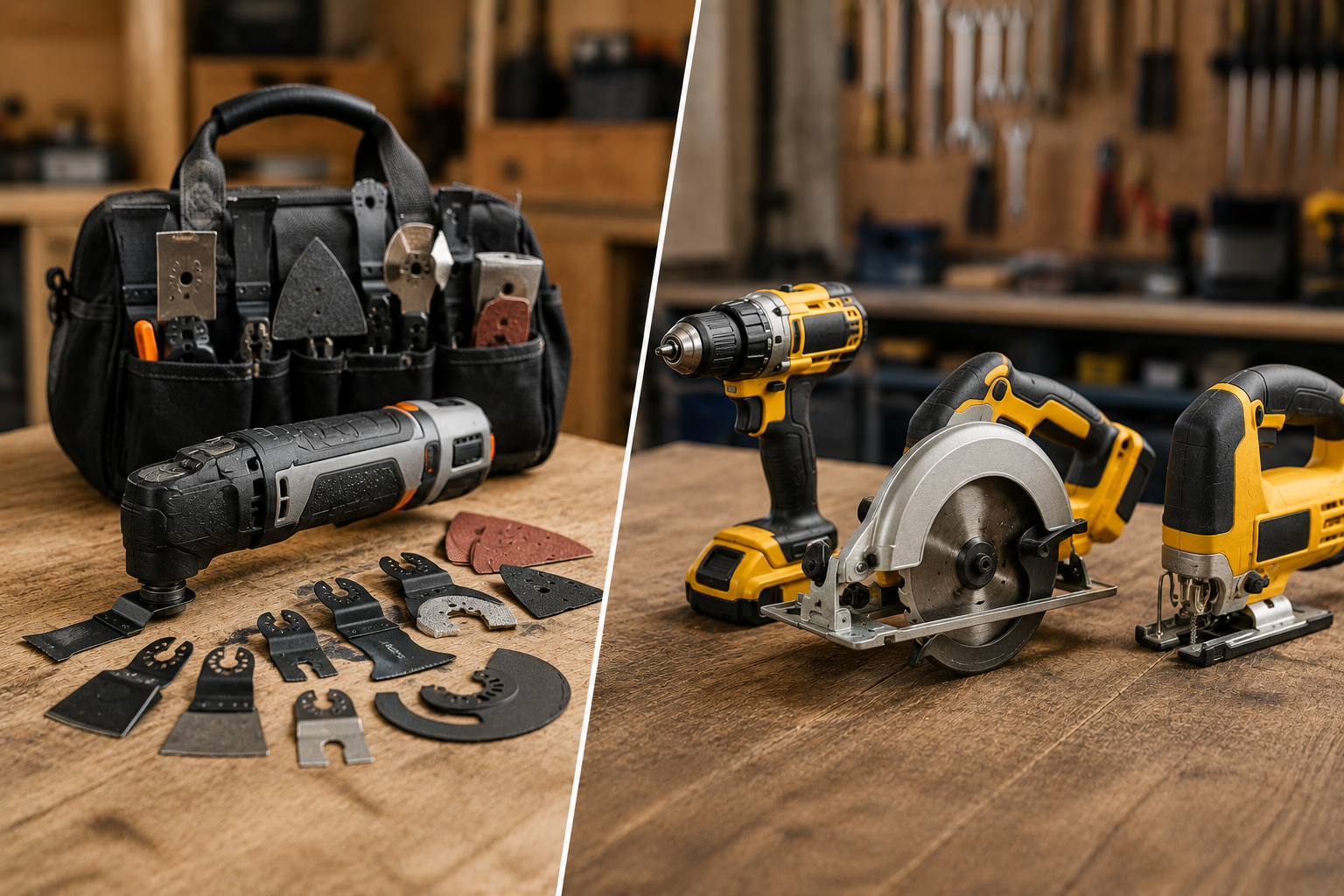
Standing in the tool aisle, it’s tempting to grab a single multi-tool that promises to do everything, rather than buying several individual tools separately. Both approaches have genuine merit, and the right choice depends heavily on how you actually plan to use your tools.
This guide compares multi-tools and individual tools across cost, performance, versatility, and durability, helping you decide which approach suits your specific DIY needs. We’ll also cover multi-tool kits, individual power tools, and practical buying advice for American homeowners.
By the end, you’ll have a clear framework for deciding when a multi-tool makes sense and when individual, dedicated tools are the better investment.
Multi-Tools vs Individual Tools: Which Should You Choose?
Multi-tools make the most sense for occasional DIYers, small living spaces, or situations where portability and storage matter more than peak performance. Individual, dedicated tools are generally the better choice for frequent DIYers, specific project needs, or situations where maximum performance and durability matter most.
Many households end up using a mix of both approaches, relying on a multi-tool for quick, occasional tasks while investing in individual tools for projects they tackle regularly.
What Is a Multi-Tool?
A multi-tool, in the context of home DIY, generally refers to one of two categories: oscillating multi-tools that use interchangeable attachments for cutting, sanding, and scraping, or combination tool kits that bundle several tool functions into a single compact unit or handle system.
Common types of multi-tools:
- Oscillating multi-tools with swappable blades and attachments for cutting, sanding, and scraping
- Combination driver tools with interchangeable bits for various screw and fastener types
- All-in-one folding tools combining pliers, screwdrivers, and other small functions
- Modular power tool systems where a single battery and motor base powers multiple tool heads
What Are Individual Tools?
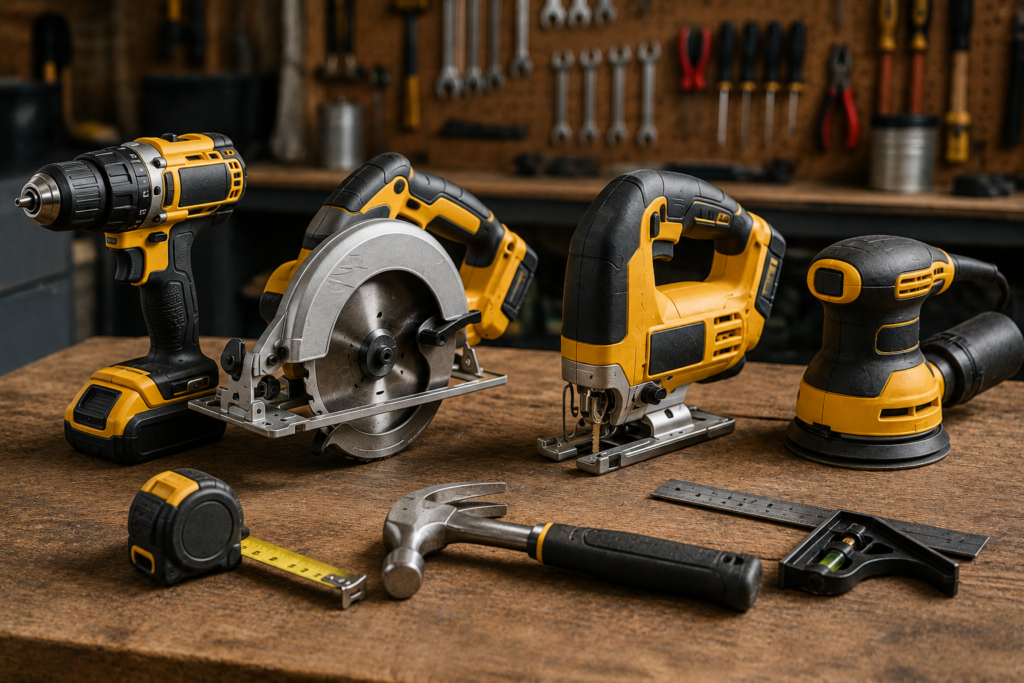
Individual tools are purpose-built for a single, specific function, such as a dedicated circular saw, a standalone drill, or a fixed-blade utility knife. Each tool is optimized for its particular task rather than balancing multiple functions in a single design.
Pros and Cons of Multi-Tools
Multi-tools offer genuine convenience, but this comes with real trade-offs worth understanding before you buy.
Pros of Multi-Tools
- Space efficiency: A single multi-tool takes up significantly less storage space than multiple individual tools, which matters for smaller homes, apartments, or limited garage space.
- Lower upfront cost for occasional use: If you only need basic capability across several functions, a multi-tool can be more affordable than buying several dedicated tools individually.
- Convenience for varied, light-duty tasks: Multi-tools are well-suited for quick fixes and light tasks where switching between attachments is faster than swapping entire tools.
- Portability: Multi-tools are typically easier to transport, making them practical for travel, rental properties, or situations where you need basic capability without a full toolbox.
Cons of Multi-Tools
- Reduced performance per function: A multi-tool’s individual functions generally can’t match the performance of a dedicated tool built specifically for that task.
- Attachment switching takes time: Frequently changing attachments between tasks adds time to projects compared with reaching for a dedicated tool that’s already set up correctly.
- Potential durability trade-offs: Multi-function designs sometimes involve more moving parts or shared components, which can affect long-term durability compared with simpler, purpose-built tools.
- Limited capacity for heavy-duty work: Multi-tools are generally better suited for light to moderate tasks rather than sustained heavy-duty use.
Pros and Cons of Individual Tools
Purpose-built tools offer clear performance advantages, though they come with their own considerations.
Pros of Individual Tools
- Optimized performance: Each tool is designed specifically for its task, generally offering better power, precision, and control than a multi-function equivalent.
- Greater durability for frequent use: Simpler, single-purpose designs often hold up better to regular, heavy use compared with multi-tool systems with more complex mechanisms.
- Faster task switching in a full workshop: If you already have several individual tools set up and ready to go, switching between them for different tasks can be quicker than adjusting attachments.
- Better suited for specialized or heavy-duty projects: Serious woodworking, construction, or repair work generally benefits from dedicated tools built for that specific purpose.
Cons of Individual Tools
- Higher total cost: Building a full collection of individual tools typically costs more upfront than a single multi-tool kit, especially if you need many different functions.
- More storage space required: A full set of individual tools takes up considerably more room than a compact multi-tool.
- Less practical for occasional use: If you only need basic capability across several functions rarely, investing in multiple dedicated tools may not be worth the expense.
Comparing Multi-Tools and Individual Tools
| Factor | Multi-Tools | Individual Tools |
| Upfront cost | Lower for varied basic use | Higher for full collection |
| Storage space | Compact | Requires more space |
| Performance per task | Moderate | Higher, specialized |
| Durability for frequent use | Variable | Generally stronger |
| Best for | Occasional, varied tasks | Frequent, specific tasks |
| Portability | High | Lower |
When a Multi-Tool Makes the Most Sense
Certain situations clearly favor choosing a multi-tool over building a full individual tool collection.
- Occasional DIY use: If you only tackle small home projects a few times a year, a multi-tool covers most basic needs without a large investment.
- Limited storage space: Apartments, small homes, or shared living spaces often benefit from a compact multi-tool rather than a full toolbox of individual items.
- Varied, light-duty tasks: Quick fixes like tightening screws, minor cutting, or light sanding are well-suited to a multi-tool’s flexibility.
- Travel or rental property use: A single multi-tool is easier to transport or keep at a secondary property compared with an entire individual tool collection.
When Individual Tools Make the Most Sense
Other situations clearly call for dedicated, purpose-built tools instead.
- Frequent or serious DIY projects: Regular woodworking, home renovation, or repair work benefits significantly from tools optimized for their specific function.
- Heavy-duty or precision work: Projects requiring maximum power, precision, or sustained use generally perform better with dedicated equipment.
- Projects with specific technical requirements: Certain tasks, like precise woodworking joints or heavy-duty drilling, require the specific capabilities that only a purpose-built tool can reliably deliver.
- Building a long-term home workshop: If you’re establishing a workshop for ongoing use, individual tools generally provide better long-term value and performance.
Oscillating Multi-Tools: A Closer Look
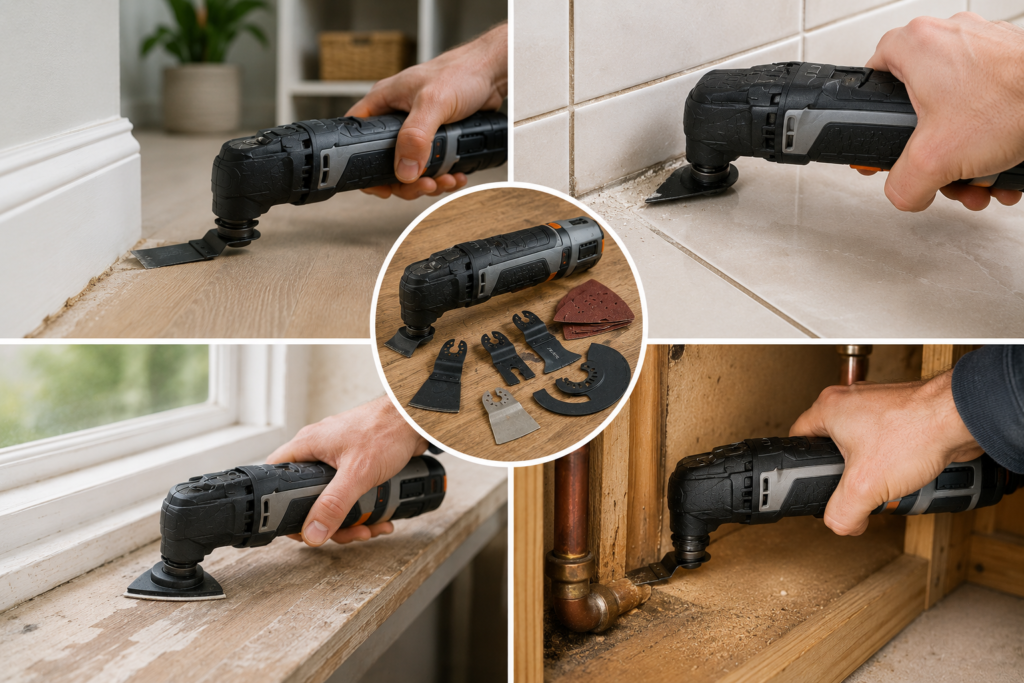
Oscillating multi-tools deserve special mention, since they’re one of the most popular multi-tool categories for home DIY and genuinely excel in specific situations.
These tools use rapid, small-angle oscillating movements combined with interchangeable attachments to handle tasks like cutting into tight spaces, removing grout, sanding detail areas, or scraping adhesive. Their versatility makes them particularly useful for renovation work involving flush cuts, detail sanding, or working in areas where a standard saw or sander can’t easily reach.
That said, oscillating multi-tools aren’t a full replacement for dedicated saws or sanders when it comes to larger, sustained cutting or sanding tasks, where dedicated tools offer better speed and control.
Modular Power Tool Systems
Some manufacturers offer modular systems where a single battery and motor unit powers multiple tool heads, such as a drill, saw, or sander attachment. These systems attempt to combine some benefits of both approaches, sharing a power source across multiple functions while still offering more task-specific performance than a single all-in-one multi-tool.
Considerations for modular systems:
- Battery and motor compatibility ties you to a specific brand’s ecosystem
- Individual attachment quality varies by manufacturer and tool type
- Switching between attachments still takes more time than reaching for a fully separate, dedicated tool
- Can offer good value if you plan to use several functions from the same brand’s lineup
How Skill Level Affects the Right Choice
Your current DIY experience level plays a meaningful role in whether a multi-tool or individual tools make more sense for your situation.
- Complete beginners: A multi-tool or basic combination kit can be a genuinely practical starting point, letting you try several types of tasks without committing to a full individual tool collection before you know what you’ll actually use regularly.
- Intermediate DIYers: As your project frequency and confidence grow, you’ll likely notice specific tasks where a dedicated tool would perform noticeably better, making this a natural point to start replacing multi-tool functions with individual equivalents.
- Experienced DIYers: Those with established skills and regular project needs generally benefit most from individual, purpose-built tools, since the performance and control advantages become more noticeable and valuable with experience.
This progression isn’t universal, but it reflects a common, sensible pattern: starting broad and flexible, then narrowing toward specialized tools as your specific needs become clearer over time.
Maintenance Differences Between Multi-Tools and Individual Tools
Maintenance requirements differ somewhat between these two approaches, which is worth factoring into your decision alongside upfront cost and performance.
- Multi-tools: Interchangeable attachments mean more individual pieces to clean, store, and occasionally replace, though the core tool body itself often requires less overall maintenance than multiple separate motors and mechanisms.
- Individual tools: Each dedicated tool has its own motor, moving parts, and maintenance needs, meaning more total upkeep across your collection, though each tool’s maintenance routine is typically simpler and more predictable.
- Attachment and accessory wear: Both approaches involve consumable parts, such as blades, bits, or sanding pads, that wear out and need periodic replacement regardless of which system you choose.
Neither approach is inherently more maintenance-intensive overall; the difference comes down to whether you’re managing several attachments for one tool or individual upkeep across several separate tools.
Practical Buying Advice
A few considerations can help you decide confidently between a multi-tool and individual tools for your specific situation.
- Assess your actual project frequency: Be honest about how often you’ll genuinely use each tool function, rather than buying based on hypothetical future projects.
- Consider your available storage space: If space is genuinely limited, this may tip the decision toward a multi-tool regardless of other factors.
- Think about your skill development goals: If you’re working to build genuine DIY skills over time, individual tools often provide a better learning experience with more precise control.
- Factor in your budget realistically: If cost is a significant constraint, a quality multi-tool may offer better overall value than several lower-quality individual tools.
- Consider a hybrid approach: Many households benefit from owning a multi-tool for occasional, varied tasks alongside a few key individual tools, like a dedicated drill, for tasks they perform regularly.
Common Mistakes When Choosing Between the Two
- Buying a multi-tool expecting dedicated-tool performance: Multi-tools are convenient, but expecting them to match specialized tools on every task often leads to disappointment.
- Building a full individual tool collection before you need it: Purchasing every dedicated tool upfront, before you’ve confirmed genuine, regular need, often results in underused, wasted investment.
- Ignoring attachment or accessory costs: Multi-tool attachments and individual tool accessories both add ongoing cost, which is worth factoring into your overall budget comparison.
- Choosing based on marketing claims alone: Multi-tool kits are often marketed as replacing an entire toolbox, but it’s worth researching actual performance limitations before assuming full equivalency.
Conclusion
Choosing between a multi-tool and individual tools comes down to honestly assessing how often you’ll use each function, how much storage space you have, and whether peak performance or convenience matters more for your typical projects. Multi-tools genuinely shine for occasional, varied, light-duty tasks and limited storage situations, while individual tools offer better performance and durability for frequent or specialized work. For many homeowners, a practical middle ground, a quality multi-tool for occasional tasks alongside a handful of dedicated individual tools for regular projects, offers the best overall balance of cost, performance, and convenience.
Frequently Asked Questions
1- Are multi-tools worth buying for a first-time DIYer?
Yes, multi-tools can be a practical starting point for beginners handling varied, light-duty tasks before investing in more specialized individual tools.
2- Do multi-tools perform as well as individual tools?
Generally no. Multi-tools offer convenience and versatility, but individual functions typically can’t match the performance of a dedicated, purpose-built tool.
3- Is it cheaper to buy a multi-tool or individual tools?
It depends on your needs. A multi-tool is often cheaper upfront for varied, occasional use, while individual tools may offer better long-term value for frequent, specific tasks.
4- What’s the best use case for an oscillating multi-tool?
Oscillating multi-tools excel at detail work like flush cuts, grout removal, and sanding in tight spaces, though they’re not ideal for larger, sustained cutting or sanding tasks.
5- Can I use a multi-tool for heavy-duty construction projects?
Multi-tools are generally better suited for light to moderate tasks, and heavy-duty or specialized construction work typically benefits more from dedicated, purpose-built tools.
6- Should I buy both a multi-tool and individual tools?
Many households do exactly this, using a multi-tool for occasional, varied tasks while investing in individual tools for projects they tackle regularly.