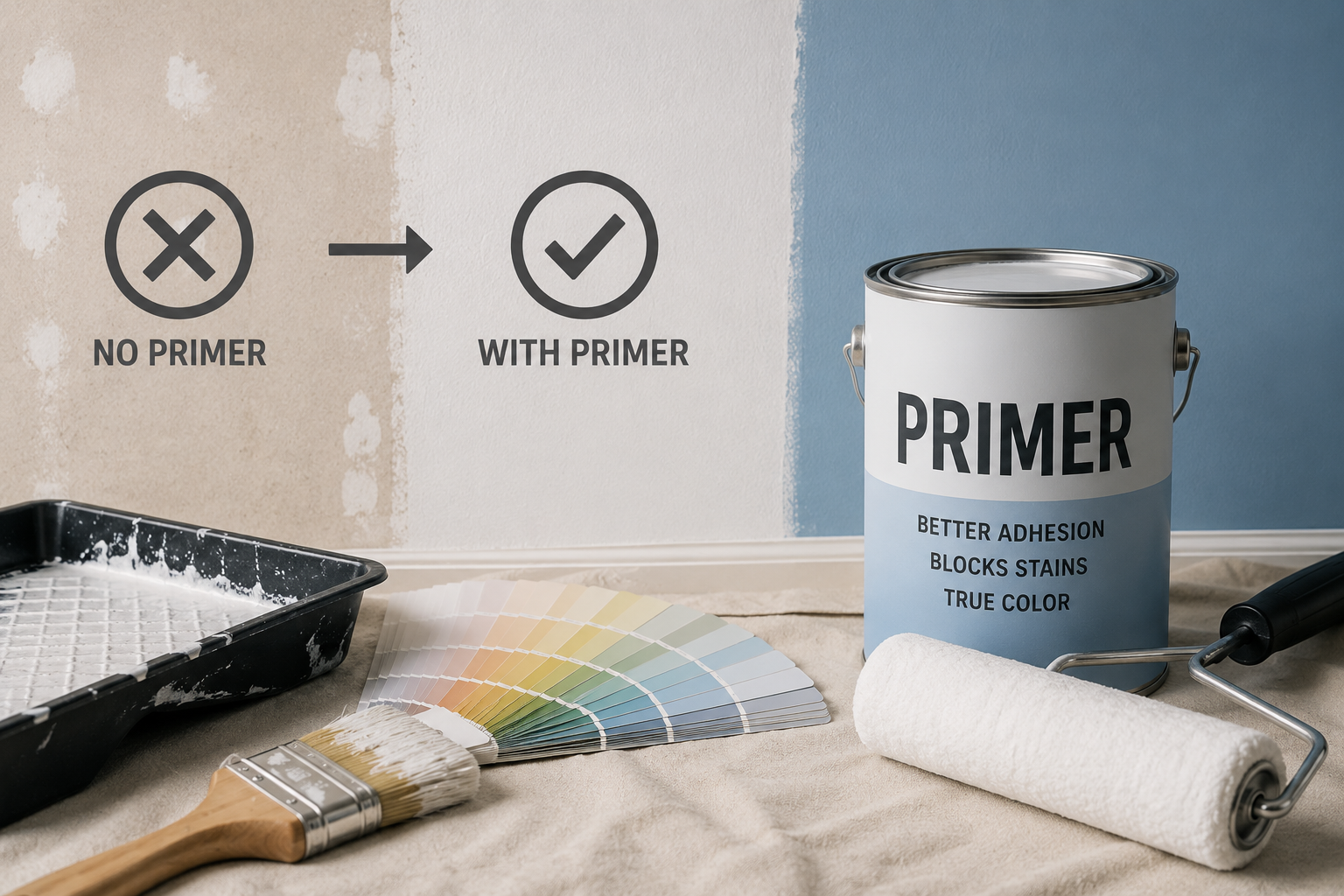
Primer is one of the most commonly skipped steps in DIY painting, and it’s also one of the most common causes of disappointing results, uneven coverage, colors that don’t look right, or paint that peels prematurely. Understanding when to use primer, and when you can genuinely skip it, means knowing what primer actually does and how it differs from paint itself, rather than treating it as an optional extra step to save time.
This guide explains exactly what primer does, when it’s genuinely necessary, when paint-and-primer-in-one products are sufficient, and how to choose the right primer for your specific project.
Do You Really Need Paint Primer
You genuinely need a dedicated primer when painting bare drywall or wood, covering a significantly darker color with a much lighter one, painting over stains like water marks or smoke damage, covering a glossy or slick existing surface, or painting over a different material type (like wood over previously painted metal). For simpler jobs, a similar-color repaint over an already well-prepared, previously painted surface, a quality paint-and-primer-in-one product is often sufficient without needing a separate dedicated primer coat.
What Primer Actually Does
- Creating a Uniform Surface
Primer creates a consistent, uniform base for paint to adhere to, evening out differences in surface porosity (how much a surface absorbs liquid) that would otherwise cause paint to look patchy or absorb unevenly across a wall.
- Improving Paint Adhesion
Primer is formulated to bond effectively with a wide range of surfaces, bare drywall, wood, previously glossy paint, in ways that standard paint alone often can’t achieve as reliably, reducing the risk of peeling or poor adhesion over time.
- Blocking Stains and Discoloration
Certain primers are specifically formulated to seal in stains, water damage, smoke residue, or marker and crayon marks, preventing these underlying discolorations from bleeding through your new topcoat of paint.
- Improving Color True-Up
When painting over a significantly different existing color, primer neutralizes that underlying color, allowing your new paint color to appear as intended rather than being subtly influenced or muddied by the color underneath.
Primer vs Paint: Understanding the Difference
Different Formulations, Different Purposes
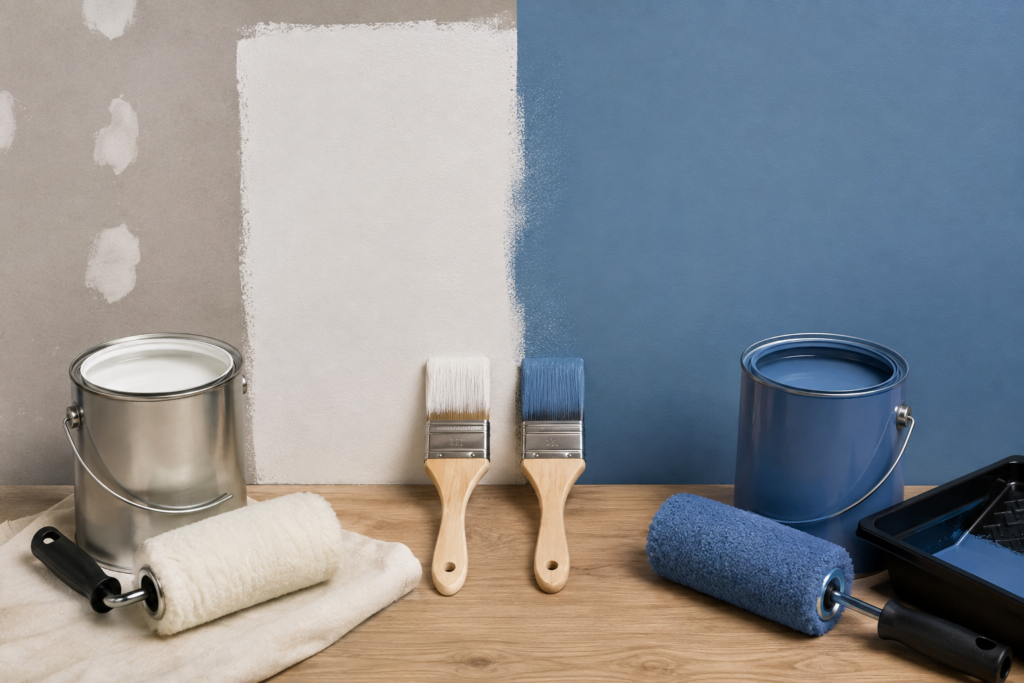
Primer and paint are formulated for genuinely different jobs. Primer is designed to bond strongly to a surface and create an ideal base, generally without much emphasis on final appearance or color, while paint is formulated for color, sheen, and finish durability, generally with less emphasis on the deep bonding and stain-blocking Primer specifically provides.
Why You Generally Can’t Substitute One for the Other
Paint alone, even multiple coats, often can’t achieve the same adhesion, stain-blocking, and color-blocking performance that primer specifically provides, particularly for more challenging surfaces or significant color or material changes. Similarly, primer isn’t designed to serve as a finished, durable topcoat suited to years of everyday wear and cleaning.
Primer vs Paint Comparison
| Factor | Primer | Paint |
| Primary purpose | Adhesion, sealing, color-blocking | Color, sheen, final appearance |
| Stain blocking | Yes (specific formulations) | Generally no |
| Final finish durability | Not designed for this | Designed for this |
| Typical use | Base coat before painting | Topcoat, final visible layer |
| Necessary for | Bare surfaces, major changes, stains | Every painting project |
When You Genuinely Need Primer
Painting Bare Drywall or Wood
New, unpainted drywall and wood are highly porous and will absorb paint unevenly without primer first, often resulting in a patchy, inconsistent finish and requiring considerably more paint to achieve full coverage than if primed beforehand.
Covering a Significantly Darker Color
Painting a much lighter color over an existing dark wall without primer often requires many additional coats of paint to fully neutralize the underlying color, whereas a tinted primer specifically designed for this transition can dramatically reduce the number of topcoats needed.
Painting Over Stains
Water stains, smoke damage, rust, and certain marker or crayon marks can bleed through standard paint if not properly sealed first, requiring a stain-blocking primer specifically formulated to prevent this bleed-through.
Painting Over a Glossy Surface
Existing semi-gloss or high-gloss paint doesn’t provide much surface texture for new paint to grip onto, and primer, particularly a bonding primer, helps new paint adhere properly to this slicker surface.
Painting Over a Different Material
Transitioning between different substrate materials, such as painting wood trim that connects to a previously painted metal surface, benefits from a primer formulated to bond effectively across that material transition.
Painting Over Repaired or Patched Areas
Drywall patches, spackle, or wood filler used to repair holes or damage typically have different porosity than the surrounding painted surface, and priming these repaired spots helps ensure they blend seamlessly rather than showing through as a slightly different sheen or texture (sometimes called “flashing”).
When You Can Reasonably Skip a Dedicated Primer
Similar-Color Repaints on Well-Maintained Surfaces
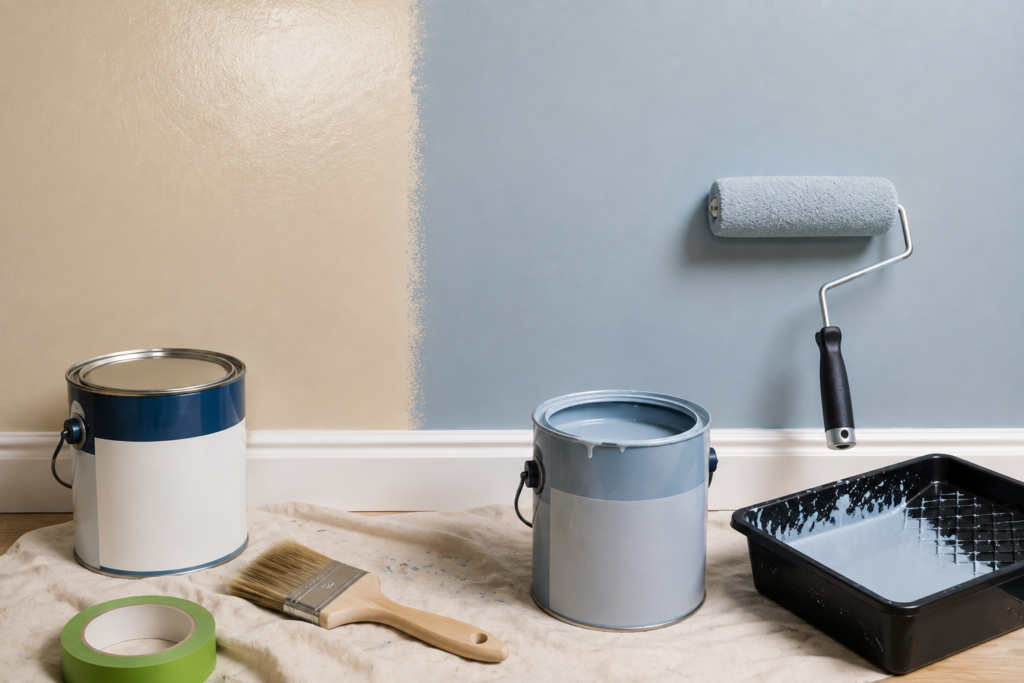
If you’re repainting a wall in essentially the same or a similar color, over a surface that’s already in good, clean condition without significant stains or damage, a quality paint-and-primer-in-one product is often genuinely sufficient without needing a separate dedicated primer step.
Touch-Up Painting
For small touch-ups using the same paint and color already on the wall, primer generally isn’t necessary, since you’re not changing surface porosity, color, or addressing any underlying stain concerns.
Paint and Primer in One: What It Actually Means
How These Products Work
Paint-and-primer-in-one products combine bonding and stain-resistant properties into a single formulation alongside standard paint pigment and finish, aiming to reduce the number of steps and coats needed for certain projects.
Where They Perform Well
These combination products work reasonably well for simpler repaints, similar-color changes over an already well-prepared, previously painted surface without significant stains or major color shifts involved.
Where They Fall Short
For more challenging situations, bare drywall, major color changes, significant stains, or glossy surfaces, paint-and-primer-in-one products generally don’t perform as effectively as using a dedicated, specifically formulated primer first, followed by your chosen paint as a separate topcoat.
Choosing the Right Primer for Your Project
General-Purpose Primer
Suitable for most standard interior painting situations, previously painted drywall in reasonable condition, minor color changes, offering solid all-around adhesion and coverage improvement.
Stain-Blocking Primer
Specifically formulated to seal in water stains, smoke damage, or similar discoloration, preventing these marks from bleeding through your new topcoat. Look for products specifically labeled for stain-blocking or stain-sealing performance.
Bonding Primer
Designed for glossy surfaces or challenging substrates (like painting over tile, laminate, or metal), bonding primer provides the strong adhesion these slicker surfaces need that a general-purpose primer might not adequately achieve.
Tinted Primer
Some primers can be tinted toward your intended topcoat color, particularly useful when covering a significantly different existing wall color, since this reduces how many coats of your finish paint you’ll need to achieve full, even coverage.
Drywall/PVA Primer
Specifically formulated for new, bare drywall, this primer type seals the porous drywall surface (including joint compound areas) evenly, ensuring consistent paint absorption across the entire wall.
Best Primer for Walls by Situation
| Situation | Recommended Primer Type |
| New bare drywall | Drywall/PVA primer |
| Covering dark color with light color | Tinted (gray or the topcoat’s general shade) primer |
| Water stains or smoke damage | Stain-blocking primer |
| Glossy existing paint | Bonding primer |
| Repainting similar color, good condition | Paint-and-primer-in-one (dedicated primer optional) |
| Bathroom/kitchen with moisture concerns | Primer with mildew-resistant properties |
How Primer Affects Your Overall Paint Job
Reducing Total Coats Needed
While adding a primer step might seem like it adds time, it often reduces the total number of topcoat paint coats needed to achieve full, even coverage, particularly for significant color changes, sometimes making the overall project comparable in time to skipping primer and applying several extra coats of paint instead.
Improving Long-Term Durability
Proper priming genuinely improves how well your finished paint job holds up over time, reducing the likelihood of peeling, uneven wear, or stains bleeding through months after the project is complete.
Achieving Truer Color Results
Particularly for deep or bold color changes, primer (especially tinted primer) helps your finished color appear as intended, rather than being subtly influenced by a significantly different underlying color showing through insufficient topcoat coverage.
Application Tips for Primer
Allow Proper Drying Time
Primer needs adequate time to fully dry before applying your topcoat, generally following the specific product’s recommended drying window, rushing this step can compromise how well the paint bonds to the primed surface.
Apply Primer Evenly
Uneven primer application can create visible texture or absorption differences once the topcoat is applied, so use consistent rolling or brushing technique similar to how you’d approach the final paint coat itself.
One Coat of Primer Is Usually Sufficient
Unlike paint, which often needs two coats for full color coverage, a single coat of primer is generally sufficient for most situations, since primer’s job is creating a uniform base rather than achieving full opacity or color coverage itself.
Common Mistakes to Avoid
- Skipping primer on bare drywall, resulting in patchy, uneven paint absorption and requiring far more topcoat paint than necessary
- Using a general-purpose primer over water stains or smoke damage, when a specifically formulated stain-blocking primer is genuinely needed to prevent bleed-through
- Assuming paint-and-primer-in-one products work for every situation, when significant color changes, stains, or glossy surfaces genuinely benefit from a dedicated, specifically formulated primer
- Rushing primer drying time, compromising how well the topcoat bonds to the primed surface
- Applying primer unevenly, creating visible texture or absorption inconsistencies that show through the finished topcoat
Conclusion
Whether do I need primer before painting has a straightforward answer once you understand what primer actually does: it’s genuinely necessary for bare surfaces, significant color changes, stains, and glossy substrates, while simpler, similar-color repaints on well-maintained surfaces can often get by with a quality paint-and-primer-in-one product instead. Skipping primer when your project genuinely calls for it tends to cost more time and paint in the long run than the step it was meant to save, making this a worthwhile investment of effort rather than an optional shortcut for most real-world painting projects.
Frequently Asked Questions
1- Do I need primer if I’m using paint and primer in one?
For simpler repaints in a similar color over an already well-prepared, previously painted surface, generally no. For bare drywall, significant color changes, stains, or glossy surfaces, a dedicated primer still typically performs better.
2- Can I skip primer entirely if I’m repainting a wall the same color?
Often yes, particularly if the existing surface is in good condition without significant stains, damage, or gloss level changes, though a quality paint-and-primer-in-one product still adds a reasonable extra margin of adhesion and coverage.
3- What primer should I use to cover a water stain?
A stain-blocking primer, specifically formulated and labeled for sealing in water stains, smoke damage, or similar discoloration, is genuinely necessary to prevent these marks from bleeding through your new paint.
4- How long should primer dry before I apply paint?
This varies by specific product, so check the manufacturer’s recommended drying time, but rushing this step before the primer has properly dried can compromise how well your topcoat paint bonds to the surface.
5- Does primer need to match my paint color?
Not exactly, though tinted primer, colored to approximate your intended topcoat shade, can reduce the number of paint coats needed, particularly useful when covering a significantly different existing wall color.
6- Is one coat of primer enough?
Generally, yes. Unlike paint, which often needs two coats for full color coverage, primer’s job is creating a uniform, well-bonded base, which a single coat typically accomplishes effectively.
7- Do I need a different primer for bathrooms or kitchens?
Consider a primer with mildew-resistant properties for bathrooms or other consistently humid rooms, given the elevated moisture exposure these spaces experience compared to typical living areas.