A backyard barbecue is more than just a way to cook food it’s an experience that brings family, friends, and neighbors together. Whether you’re grilling burgers on a summer weekend, smoking ribs for a special occasion, or preparing vegetables for a quick weeknight dinner, the right BBQ grill can make outdoor cooking easier and more enjoyable.
With so many options available today, choosing the best grill can feel overwhelming. Gas grills, charcoal grills, pellet grills, electric grills, and portable models all offer different advantages. Some homeowners prioritize convenience, while others care most about authentic smoky flavor or precise temperature control.
The best BBQ grill isn’t necessarily the most expensive one. It’s the grill that matches your cooking style, outdoor space, budget, and how often you plan to use it. Understanding the differences before you buy can help you avoid unnecessary expenses and choose a grill you’ll enjoy for many years.
This buying guide explains the main types of BBQ grills, compares their features, highlights important buying factors, and provides practical advice to help you make a confident decision.
Why Choosing the Right BBQ Grill Matters
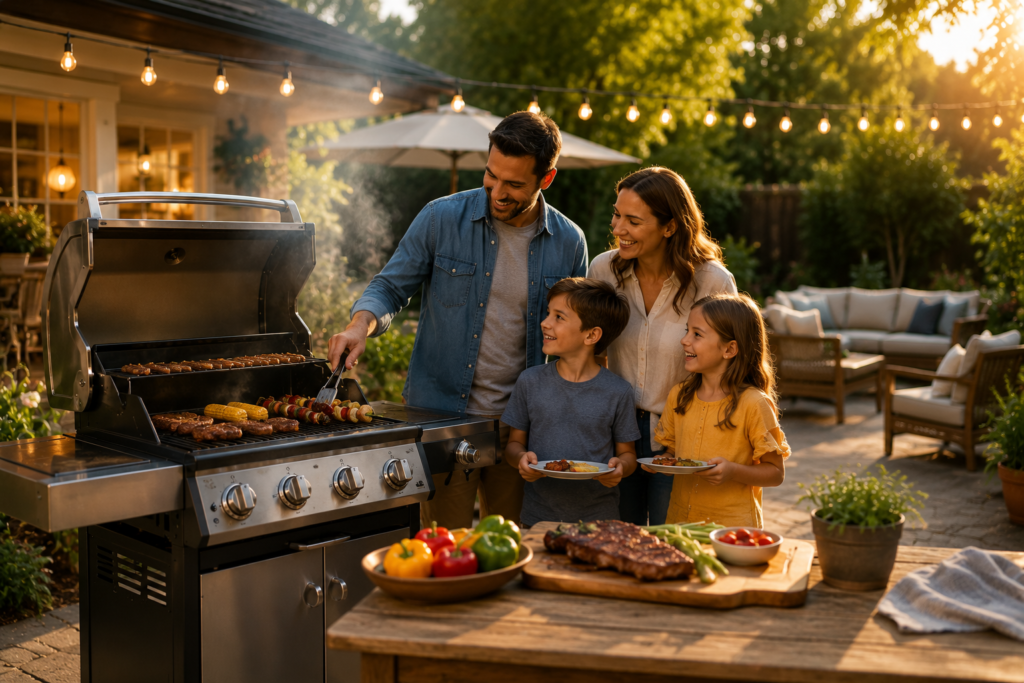
A grill is a long-term investment in your outdoor living space. Choosing the wrong model may lead to frustration, higher maintenance costs, or limited cooking options.
The right grill should:
- Match your cooking habits
- Fit your available space
- Stay within your budget
- Be easy to maintain
- Offer enough cooking capacity
- Use a fuel type that suits your preferences
Taking time to compare your options before purchasing can save money and improve your overall grilling experience.
Types of BBQ Grills
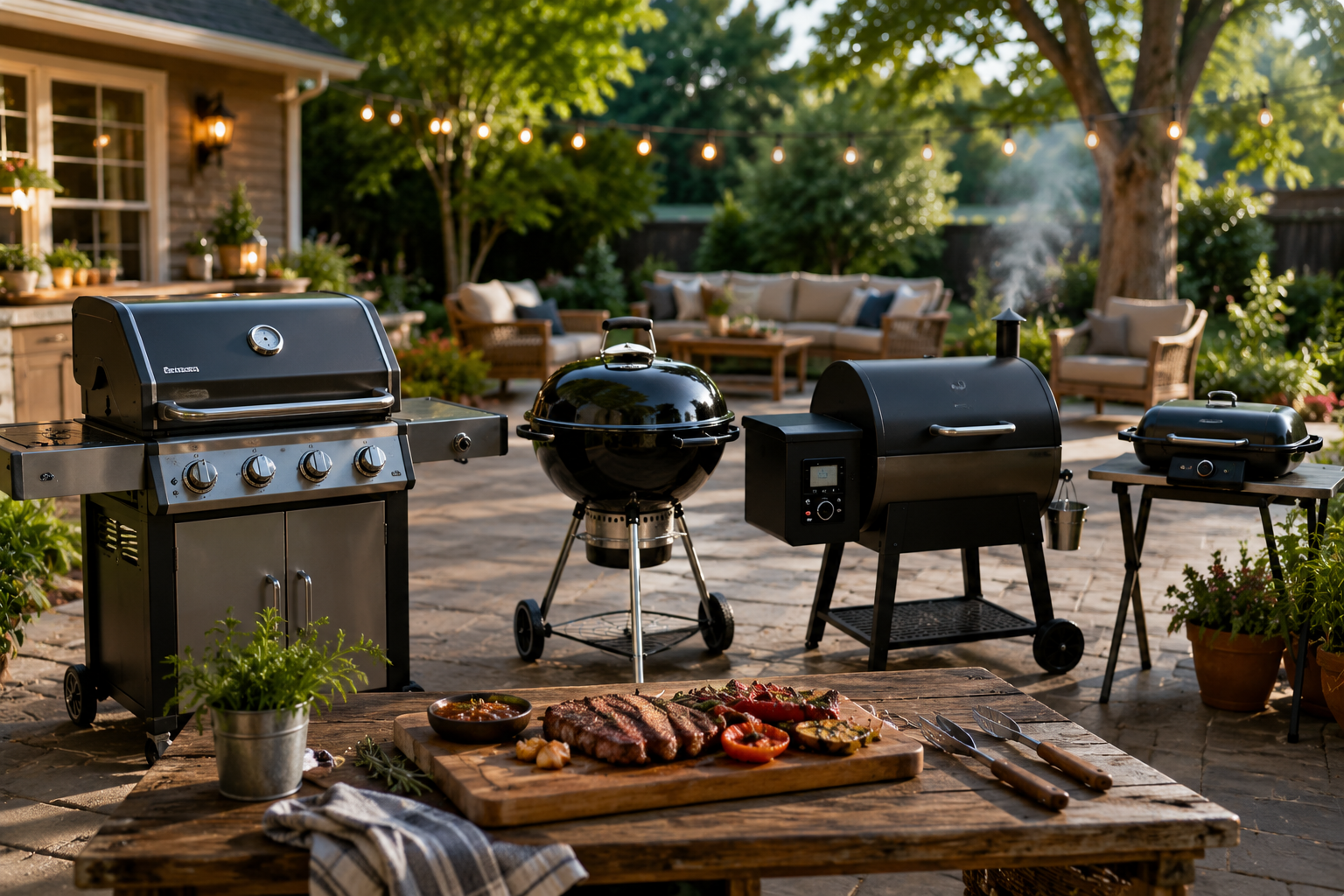
The first step is understanding the four main types of BBQ grills available.
Gas Grills
Gas grills are among the most popular choices for homeowners because they offer speed and convenience.
Most models use propane or natural gas.
Advantages include:
- Quick startup
- Easy temperature control
- Even heat distribution
- Simple cleanup
- Suitable for everyday cooking
Gas grills are ideal for families who grill frequently and want a hassle-free cooking experience.
Potential drawbacks include:
- Less smoky flavor than charcoal
- Requires propane refills or a natural gas connection
- More mechanical components that may require maintenance
Charcoal Grills
Charcoal grills remain a favorite among barbecue enthusiasts who enjoy traditional grilling.
Benefits include:
- Rich smoky flavor
- High cooking temperatures
- Simple construction
- Lower purchase price
Charcoal grills work especially well for steaks, burgers, and slow-cooked barbecue.
However, they also require:
- Longer heating time
- More cleanup
- Charcoal storage
- Greater temperature management
For many grilling enthusiasts, the extra effort is worth the authentic flavor.
Pellet Grills
Pellet grills have become increasingly popular because they combine smoking, roasting, baking, and grilling in one appliance.
These grills burn compressed hardwood pellets and automatically regulate temperature.
Advantages include:
- Consistent cooking temperatures
- Wood-fired flavor
- Versatile cooking options
- Digital controls
- Excellent for smoking meats
Potential disadvantages include:
- Higher purchase price
- Requires electricity
- Pellet fuel costs
- More electronic components
Pellet grills appeal to homeowners who enjoy experimenting with different cooking techniques.
Electric Grills
Electric grills provide an alternative for locations where charcoal or gas grills may not be practical.
They’re commonly used on:
- Apartment balconies
- Small patios
- Condominiums
- Covered outdoor spaces where permitted
Advantages include:
- Easy operation
- Fast heating
- No propane or charcoal
- Simple maintenance
Although electric grills don’t produce the same smoky flavor as charcoal or pellet grills, they offer a convenient solution for limited outdoor spaces.
Which BBQ Grill Is Right for You?
Each grill type serves different needs.
| Grill Type | Best For | Flavor | Ease of Use | Maintenance |
| Gas Grill | Frequent grilling | Moderate | Excellent | Low |
| Charcoal Grill | Traditional barbecue | Excellent | Moderate | Moderate |
| Pellet Grill | Smoking and versatility | Excellent | Excellent | Moderate |
| Electric Grill | Small spaces | Good | Excellent | Low |
Choosing the right option depends on your priorities rather than finding one universal “best” grill.
Important Factors to Consider Before Buying
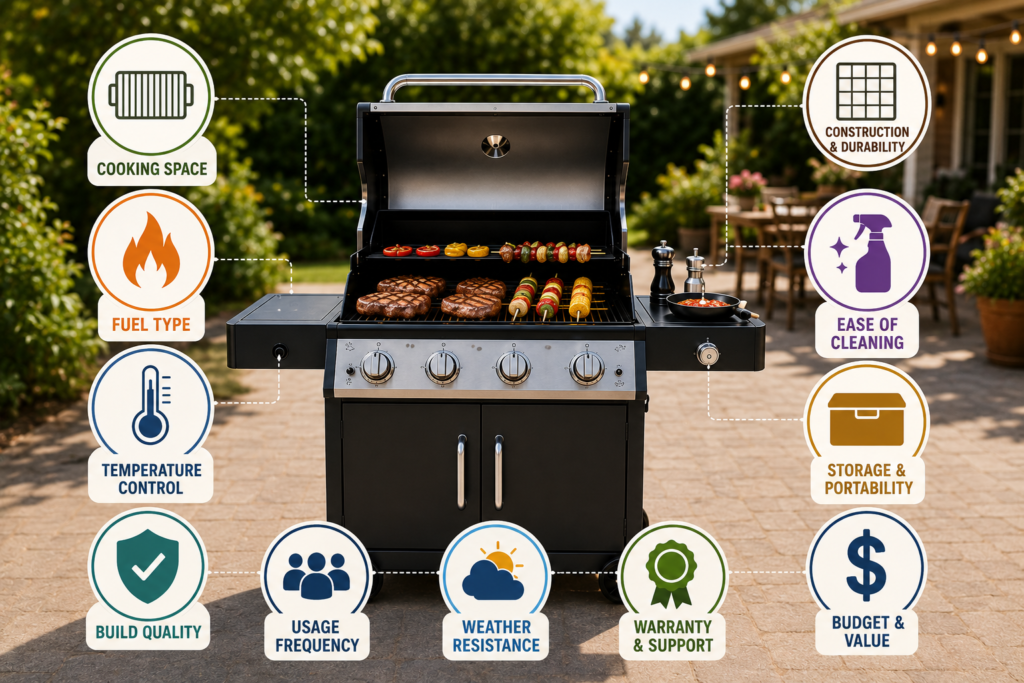
Beyond fuel type, several features affect how enjoyable your grill will be to use.
Cooking Area
Think about how many people you usually cook for.
General recommendations:
- One to two people: Compact grill
- Three to five people: Medium cooking surface
- Six or more people: Large grill with multiple burners
Buying a grill that’s too small can make entertaining difficult.
Gas and charcoal grills should always be used outdoors with adequate clearance from structures the Consumer Product Safety Commission recommends keeping grills at least 10 feet away from buildings and overhangs to reduce fire risk.
Grill Size
Measure your available outdoor space before shopping.
Leave enough room for:
- Opening the lid
- Walking around the grill
- Food preparation
- Safe clearance from nearby structures
Never assume a grill will fit simply because the patio appears spacious.
Heat Control
Consistent heat makes grilling easier.
Look for features such as:
- Adjustable burners
- Temperature gauges
- Multiple cooking zones
- Digital controls on pellet grills
Better heat management improves cooking results.
Build Quality
Durability matters because grills remain outdoors throughout much of the year.
Look for:
- Stainless steel components
- Powder-coated finishes
- Heavy-duty cooking grates
- Strong lid construction
- Quality wheels and handles
Higher-quality materials often resist rust and weather better over time.
Grill Grate Materials
The cooking grate affects both durability and cooking performance.
Common materials include:
Cast Iron
Benefits:
- Excellent heat retention
- Attractive grill marks
- Even cooking
Cast iron requires seasoning and routine maintenance to help prevent rust.
Stainless Steel
Advantages:
- Rust resistant
- Easy cleaning
- Long lifespan
- Low maintenance
Many homeowners appreciate stainless steel for its durability and convenience.
Porcelain-Coated Grates
These combine easy cleaning with improved corrosion resistance.
Avoid scraping porcelain coatings with metal tools that may chip the surface.
Additional Features Worth Considering
Modern BBQ grills often include features that improve convenience.
Popular options include:
- Side burners
- Warming racks
- Storage cabinets
- Foldable side shelves
- Built-in thermometers
- Tool hooks
- Grease management systems
- Rotisserie compatibility
- LED control knobs
- Wi-Fi or Bluetooth controls on some pellet grills
Not every feature is essential, so focus on those you’ll actually use.
Fuel Costs and Availability
The long-term cost of owning a grill depends partly on fuel.
Consider:
- Propane refill availability
- Natural gas connections
- Hardwood pellet availability
- Charcoal storage requirements
- Electricity access
Choosing a fuel type that’s convenient in your area makes grilling more enjoyable.
Safety Considerations
Outdoor cooking should always prioritize safety.
When choosing a grill, make sure it offers:
- Stable construction
- Secure lid hinges
- Heat-resistant handles
- Reliable ignition systems
- Adequate ventilation
Always place your grill on a stable, non-combustible surface and follow the manufacturer’s safety recommendations.
Gas Grill vs. Charcoal Grill vs. Pellet Grill vs. Electric Grill
Choosing the right type of BBQ grill often comes down to your cooking style, available space, and how much time you want to spend preparing meals. Each option offers unique benefits, so understanding the differences can help you make a confident purchase.
| Feature | Gas Grill | Charcoal Grill | Pellet Grill | Electric Grill |
| Heating Speed | Fast | Slow | Moderate | Fast |
| Temperature Control | Excellent | Moderate | Excellent | Excellent |
| Smoky Flavor | Moderate | Excellent | Excellent | Mild |
| Ease of Use | Excellent | Moderate | Excellent | Excellent |
| Maintenance | Low | Moderate | Moderate | Low |
| Best For | Everyday grilling | Traditional BBQ | Smoking & versatility | Apartments & small patios |
There isn’t one perfect grill for everyone.
- Choose a gas grill if convenience is your priority.
- Choose a charcoal grill if you love authentic barbecue flavor.
- Choose a pellet grill if you enjoy slow cooking and smoking meats.
- Choose an electric grill if you have limited outdoor space or restrictions on gas and charcoal.
How Much Should You Spend on a BBQ Grill?
Grills are available across a wide range of price points.
Instead of focusing on the lowest price, think about long-term value.
Entry-Level Grills
Best for:
- First-time homeowners
- Occasional grilling
- Small families
These models typically include basic cooking features without many extras.
Mid-Range Grills
Suitable for:
- Families who grill regularly
- Weekend entertaining
- Larger cooking capacity
Mid-range grills often offer better construction, additional burners, and improved temperature control.
Premium Grills
Ideal for homeowners who:
- Grill several times each week
- Enjoy outdoor entertaining
- Want advanced cooking features
- Plan to keep the grill for many years
Premium models usually feature higher-quality materials, stronger warranties, and enhanced durability.
Maintenance Tips to Extend the Life of Your Grill
Proper maintenance helps your grill perform better while extending its lifespan.
Clean the Cooking Grates
After each grilling session:
- Brush away food residue
- Remove grease buildup
- Allow the grill to cool before cleaning
Clean grates improve cooking performance and reduce sticking.
Empty Grease Trays
Grease accumulation increases the risk of flare-ups.
Check and empty grease trays regularly according to the manufacturer’s recommendations.
Protect the Grill with a Cover
A weather-resistant grill cover helps protect against:
- Rain
- UV rays
- Dust
- Snow
- Tree sap
- Bird droppings
Choose a breathable cover designed specifically for your grill model.
Inspect Burners and Connections
Gas grill owners should periodically inspect:
- Burners
- Ignition systems
- Gas hoses
- Propane connections
If you notice unusual wear or damage, replace worn components according to the manufacturer’s instructions.
Store Fuel Properly
Store:
- Charcoal in a dry location
- Wood pellets in sealed containers
- Propane tanks outdoors in a well-ventilated area, following local safety guidelines
Proper fuel storage helps maintain performance and safety.
Common BBQ Grill Buying Mistakes
Avoiding these common mistakes can save both money and frustration.
Buying the Largest Grill Available
A larger grill isn’t always better.
Oversized grills:
- Cost more
- Consume more fuel
- Require additional cleaning
- Take up valuable patio space
Choose a cooking surface that matches your household and entertaining needs.
Ignoring Available Space
Measure your patio or deck before buying.
Remember to leave space for:
- Safe movement
- Lid clearance
- Food preparation
- Proper ventilation
Choosing Price Over Quality
An inexpensive grill may seem like a bargain, but poor materials can lead to rust, uneven heating, and a shorter lifespan.
Focus on build quality rather than price alone.
Forgetting About Maintenance
Every grill requires some level of maintenance.
Before buying, ask yourself whether you’re comfortable with:
- Cleaning ash
- Refilling propane
- Managing wood pellets
- Seasonal maintenance
Choosing a grill that matches your maintenance preferences increases long-term satisfaction.
Overlooking Warranty Coverage
A manufacturer’s warranty often reflects confidence in product quality.
Compare warranty terms for:
- Burners
- Cooking grates
- Firebox
- Lid
- Overall construction
Longer warranties may provide additional peace of mind.
Helpful Accessories to Consider
Several accessories can improve both convenience and cooking results.
Popular options include:
- Grill covers
- Grill brushes
- Meat thermometers
- BBQ tool sets
- Grill baskets
- Rib racks
- Pizza stones
- Rotisserie kits
- Smoker boxes
- Propane tank gauges
You don’t need every accessory immediately, but a few well-chosen tools can make outdoor cooking easier and more enjoyable.
Conclusion
Buying a BBQ grill is about more than choosing between gas, charcoal, pellet, or electric models. The right grill should fit your cooking habits, available space, maintenance preferences, and long-term budget. Gas grills offer speed and convenience for everyday cooking, charcoal grills deliver the classic smoky flavor many barbecue enthusiasts love, pellet grills provide exceptional versatility for grilling and smoking, and electric grills are ideal for homeowners with limited outdoor space or local restrictions.
Before making a purchase, compare cooking capacity, construction quality, fuel availability, warranty coverage, and ease of maintenance. Investing in a durable grill that matches your lifestyle will provide years of enjoyable outdoor cooking. With the right choice, your backyard can become the perfect place for family dinners, weekend cookouts, and memorable gatherings throughout the grilling season.
Frequently Asked Questions
1- Which BBQ grill is easiest to use?
Gas grills are generally the easiest for beginners because they heat quickly, offer simple temperature control, and require minimal cleanup.
2- Is charcoal better than gas?
Neither is universally better. Charcoal grills produce a stronger smoky flavor, while gas grills provide greater convenience and faster cooking.
3- Are pellet grills worth buying?
Pellet grills are an excellent option for homeowners who enjoy smoking meats, roasting, baking, and slow cooking. They offer impressive versatility but usually cost more than traditional grills.
4- How big of a grill do I need?
The ideal size depends on how many people you regularly cook for. Small households often do well with compact grills, while larger families or frequent entertainers may benefit from a larger cooking surface.
5- How long should a quality BBQ grill last?
With proper care and routine maintenance, a well-built grill can provide many years of reliable performance. Longevity depends on construction quality, climate, frequency of use, and regular cleaning.