

Standing in a mattress showroom trying to remember whether a queen or a king better fits your bedroom is a genuinely common moment of confusion, and the size names themselves don’t always make the differences obvious. Six standard mattress sizes exist in the United States: Twin, Twin XL, Full, Queen, King, and California King, with Queen remaining the most popular choice, found in roughly 45 percent of American bedrooms.
This guide breaks down the exact dimensions of every standard mattress size, how much room each one actually needs, and which size genuinely suits different sleepers and room dimensions. We’ll also cover Twin XL vs Full, split king setups, and practical buying advice for American homeowners choosing their next mattress.
By the end, you’ll know exactly which size fits your room, your body, and your sleep situation, rather than guessing based on the name alone.
What Are the Standard Mattress Sizes?
Standard U.S. mattress sizes are Twin (38 by 75 inches), Twin XL (38 by 80 inches), Full (54 by 75 inches), Queen (60 by 80 inches), King (76 by 80 inches), and California King (72 by 84 inches). Queen is generally considered the minimum comfortable size for couples, while Twin, Twin XL, and Full suit solo sleepers depending on height and available space.
Beyond the name alone, matching mattress size to your actual room dimensions, height, and whether you’re sleeping solo or with a partner (and possibly pets) is what actually determines the right choice. Size and firmness work together to determine real comfort a perfectly sized mattress in the wrong firmness range still won’t feel right.
These aren’t arbitrary number the International Sleep Products Association (ISPA) sets the voluntary dimensional guidelines that keep mattress sizes consistent across brands, which is why a Queen sheet set fits a Queen mattress regardless of manufacturer
The Complete Mattress Size Chart
Here’s every standard size with exact dimensions, giving you a single reference point before diving into which one fits your specific situation.
| Mattress Size | Dimensions (W x L) | Best For |
| Twin | 38″ x 75″ | Kids, teens, single sleepers in small rooms |
| Twin XL | 38″ x 80″ | Taller solo sleepers, dorm rooms |
| Full | 54″ x 75″ | Solo sleepers wanting more width, guest rooms |
| Queen | 60″ x 80″ | Couples, most popular overall size |
| King | 76″ x 80″ | Couples wanting more space, families with pets |
| California King | 72″ x 84″ | Taller sleepers, couples prioritizing length |
Twin: The Smallest Standard Size
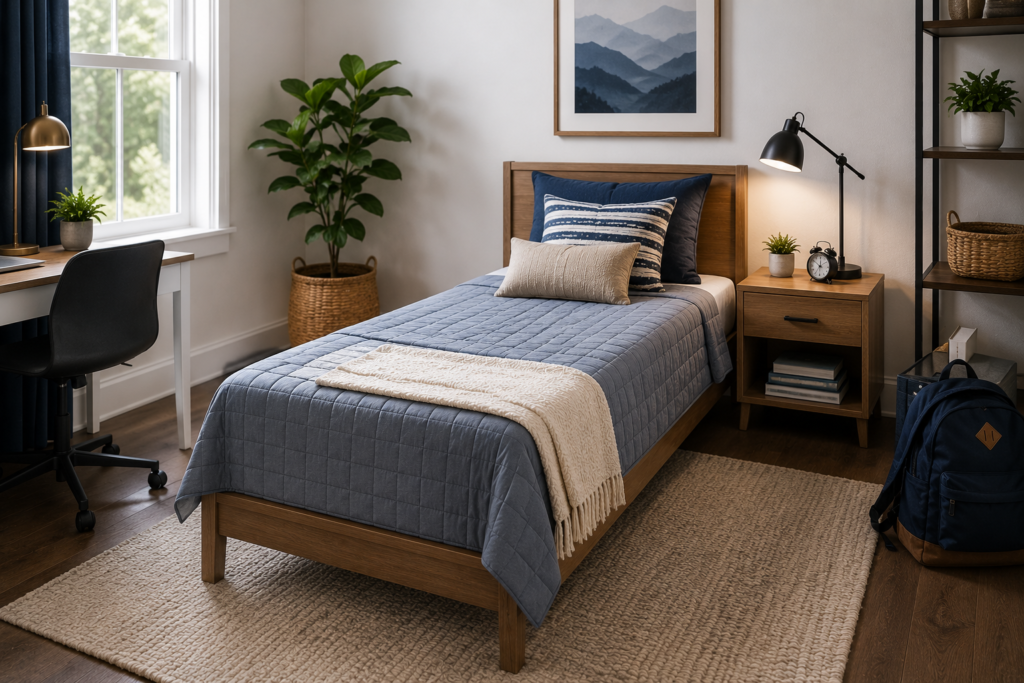
The Twin is the narrowest standard mattress size, measuring 38 by 75 inches, and it’s generally the go-to choice for children’s bedrooms, teens, and single sleepers working with limited space.
Who Twin Mattresses Suit Best
Twins work particularly well in smaller bedrooms, bunk bed setups, and any situation where floor space is genuinely limited. The 75-inch length comfortably fits most people up to about 6 feet 2 inches; taller sleepers will find their feet hanging off the edge on a standard Twin.
Twin Size Room Requirements
A Twin mattress fits comfortably in rooms as small as roughly 7 by 10 feet, making it one of the most space-efficient standard sizes available.
Twin XL: The Dorm Room Standard
Twin XL shares the same 38-inch width as a standard Twin but stretches to 80 inches long, adding a full 5 inches of legroom.
Who Twin XL Mattresses Suit Best
This extra length makes Twin XL the go-to choice for taller solo sleepers and college dorm rooms specifically, since it accommodates sleepers up to roughly 6 feet 7 inches without their feet hanging off the end. It’s also a practical pick for growing teenagers who’ve outgrown a standard Twin but don’t yet need a wider mattress.
A Practical Note on Split King Setups
Two Twin XL mattresses placed side by side create what’s known as a split king, a popular option for couples who want independent adjustability, particularly with adjustable bed bases where each partner can control their own firmness or incline settings.
Full: More Width for Solo Sleepers
The Full mattress, sometimes called a Double, measures 54 by 75 inches, adding a meaningful 16 inches of width over a Twin while keeping the same 75-inch length.
Who Full Mattresses Suit Best
Full mattresses suit solo sleepers who want noticeably more room to stretch out than a Twin offers, making them a popular choice for studio apartments, guest bedrooms, or anyone who moves around a lot during sleep. While technically usable by couples in a pinch, the width becomes genuinely tight for two adults sharing the bed long-term.
Full Size Room Requirements
A Full mattress generally needs a room at least 9 by 10 feet to accommodate the mattress along with basic clearance for walking and furniture.
Queen: The Most Popular Size in America

The Queen measures 60 by 80 inches and remains the default choice for the majority of American bedrooms, striking a genuine balance between space, cost, and room efficiency. Side sleepers in particular should weigh material and firmness just as heavily as size when choosing a Queen.
Why Queen Works So Well for Couples
A Queen mattress gives each partner roughly 30 inches of personal width, which is actually narrower than a standard Twin bed per person, yet it remains the practical minimum size most couples find comfortable. For couples adding a pet to the mix, that per-person width shrinks further, worth keeping in mind if your dog or cat regularly joins you in bed.
Queen Size Room Requirements
A Queen fits comfortably in a 10 by 10 foot room, though a 10 by 12 foot room provides noticeably better circulation and space for nightstands and walking room around the bed.
King: Maximum Width for Couples and Families
The King measures 76 by 80 inches, adding a substantial 16 inches of width over a Queen while keeping the same 80-inch length.
Why King Works Well for Space-Conscious Couples
A King gives each partner about 38 inches of personal space, equivalent to sleeping on your own individual Twin bed side by side with your partner. This makes King an excellent choice for couples who prioritize personal space, or households where children or pets frequently join the bed.
King Size Room Requirements
A King mattress requires a room at least 12 by 12 feet to accommodate comfortably, looking genuinely proportionate in a 13 by 13 foot or larger primary bedroom. Worth noting: King-size sheets and bed frames typically cost more than Queen equivalents, and moving a King mattress through narrow hallways or stairwells can be a genuine logistical challenge during a move.
California King: Built for Height, Not Width
The California King measures 72 by 84 inches, making it 4 inches narrower than a standard King but 4 inches longer, a distinction that surprises many first-time shoppers.
Why California King Suits Taller Sleepers
That extra 4 inches of length makes California King the best standard option for sleepers over 6 feet 4 inches, while its slightly narrower width can actually be an advantage in a longer, narrower bedroom layout. Interestingly, despite the name suggesting it’s the biggest bed overall, a standard King actually offers more total surface area, since the width difference outweighs the length difference in total square footage.
California King Room Requirements
Given its extra length, a California King generally needs a similarly sized or slightly larger room than a standard King, with particular attention to ceiling-to-floor clearance if you’re using a footboard or bed frame with additional height.
Comparing Room Size Requirements by Mattress
| Mattress Size | Minimum Room Size | Comfortable Room Size |
| Twin | 7′ x 10′ | 8′ x 10′ or larger |
| Full | 9′ x 10′ | 10′ x 11′ or larger |
| Queen | 10′ x 10′ | 10′ x 12′ or larger |
| King | 12′ x 12′ | 13′ x 13′ or larger |
| California King | 12′ x 12′ | 13′ x 14′ or larger |
As a general rule of thumb, leave at least 24 to 36 inches of clearance on each side of the bed and at the foot for comfortable walking space, regardless of which size you choose.
Matching Mattress Size to Sleeper Height
Height plays a bigger role in mattress size selection than many shoppers initially consider, particularly for the length dimension.
- Under 6 feet tall: Standard Twin, Full, or Queen length (75 inches) generally provides adequate legroom without noticeable crowding.
- 6 feet to 6 feet 7 inches: Twin XL, Queen, or King (all offering 80 inches of length) accommodate this height range comfortably.
- Over 6 feet 4 inches to 7 feet: California King’s 84-inch length offers the most legroom among standard sizes, making it the better choice for genuinely tall sleepers.
- Over 7 feet: At this height, even a California King may feel tight, and custom mattress sizing from a specialty manufacturer becomes worth considering, though these typically come with longer lead times and a notable price premium over standard sizing.
Beyond Standard Sizes: What Else Exists
A few mattress sizes fall outside the six standard categories, and it’s worth knowing they exist even if they’re less commonly purchased.
- Split King: Two Twin XL mattresses placed side by side, popular for adjustable bed bases where partners want independent control.
- Olympic Queen: Measuring roughly 66 by 80 inches, this size is wider than a standard Queen but uses non-standard bedding that won’t fit regular Queen sheets.
- RV or Short Queen: Typically around 60 by 75 inches, designed specifically to fit the tighter dimensions of recreational vehicles.
- European sizes: European mattress dimensions differ meaningfully from U.S. standards, a European double measures roughly 55 by 78 inches, while European king sizes vary considerably by country, ranging from about 63 by 79 inches in the UK to 70 by 78 inches in some EU markets, meaning U.S. sheets generally won’t fit European frames without modification.
- Crib mattresses: Standardized at 28 by 52 inches specifically for safety reasons, ensuring no dangerous gaps exist between the mattress and crib rails.
Common Mattress Sizing Mistakes to Avoid
- Assuming a Queen automatically works for two people plus a pet: Each partner already gets less width than a solo Twin bed offers, and adding a pet into that equation shrinks personal space further.
- Not accounting for door and hallway width during a move: Larger mattresses, particularly King and California King, can be genuinely difficult to maneuver through narrow stairwells or hallways.
- Buying bedding before confirming the exact size class: Non-standard sizes like Olympic Queen or RV Short Queen look deceptively similar to standard sizes but require entirely different sheet dimensions.
- Ignoring your own height when choosing length: Sleepers taller than 6 feet 2 inches often overlook that a standard 75-inch length mattress will leave their feet hanging off the edge.
- Underestimating clearance space needed around the bed: A mattress that technically fits a room can still leave uncomfortably little walking space if clearance on each side isn’t factored in from the start.
Measure Your Room Before You Fall for a Size
Choosing the right mattress size comes down to balancing your room’s actual dimensions, your height, and whether you’re sleeping solo or sharing the bed with a partner or pets. Queen remains the sensible default for most couples and standard bedrooms, while Twin and Twin XL suit solo sleepers and smaller spaces, and King or California King serve those prioritizing extra width or length. Before falling for a specific size based on the name alone, measure your actual bedroom and account for clearance space, door widths for moving day, and your own height, so the mattress you choose fits both your body and your room comfortably for years to come.
Frequently Asked Questions
1- What’s the difference between a King and a California King?
A King measures 76 by 80 inches, while a California King measures 72 by 84 inches, meaning the King is wider but the California King is longer. Despite its name suggesting otherwise, the standard King actually has slightly more total surface area.
2- Is a Queen big enough for two adults?
Yes, for most couples, though each person gets only about 30 inches of personal width, narrower than a solo Twin bed, which is worth considering if either partner prefers more space.
3- What size mattress is best for a tall person over 6 feet 4 inches?
California King is generally the best standard option, offering 84 inches of length, 4 inches more than Queen or King sizes.
4- Can I put Queen sheets on a Full mattress?
No, Queen and Full mattresses have different dimensions, so sheets are not interchangeable between the two sizes, and using the wrong size will result in a poor, loose fit.
5- What room size do I need for a King mattress?
A King mattress requires a room at least 12 by 12 feet to accommodate comfortably, ideally 13 by 13 feet or larger for a genuinely proportionate, comfortable layout.
6- Is a split king the same as two Twin XL mattresses?
Yes, a split king setup consists of two Twin XL mattresses placed side by side, commonly used with adjustable bases so each partner can control their own settings independently.